Industries
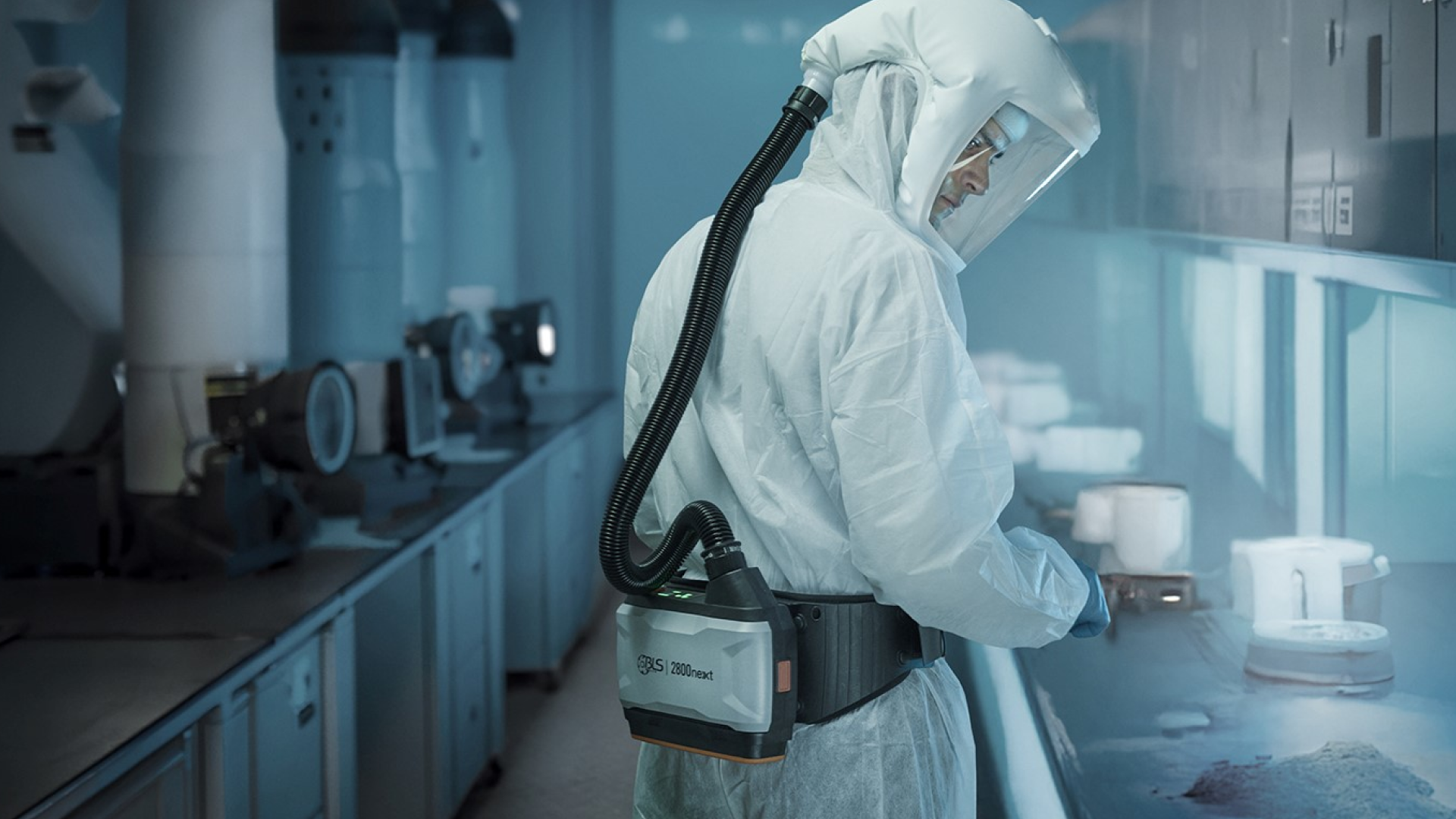
The pharmaceutical industry is characterized by complex production processes that involve the manipulation of chemical substances and active ingredients that are potentially dangerous.
In a context where precision, compliance and risk reduction are essential standards, choosing the correct respiratory PPE is never a detail: it is an essential element for ensuring quality, efficiency and safety throughout all stages of production.
For this reason, it is essential to analyze the processes involved, the risks to operators, and the most suitable protection solutions.
The production of drugs and active ingredients involves several operational steps that can generate contaminants in the air and require careful management of respiratory risks:
In the pharmaceutical sector, the presence of chemical substances in varying concentrations exposes workers to various potential hazards.
During operations such as mixing, crushing and distribution, very fine dust and aerosols can be dispersed into the air, both solid and liquid.
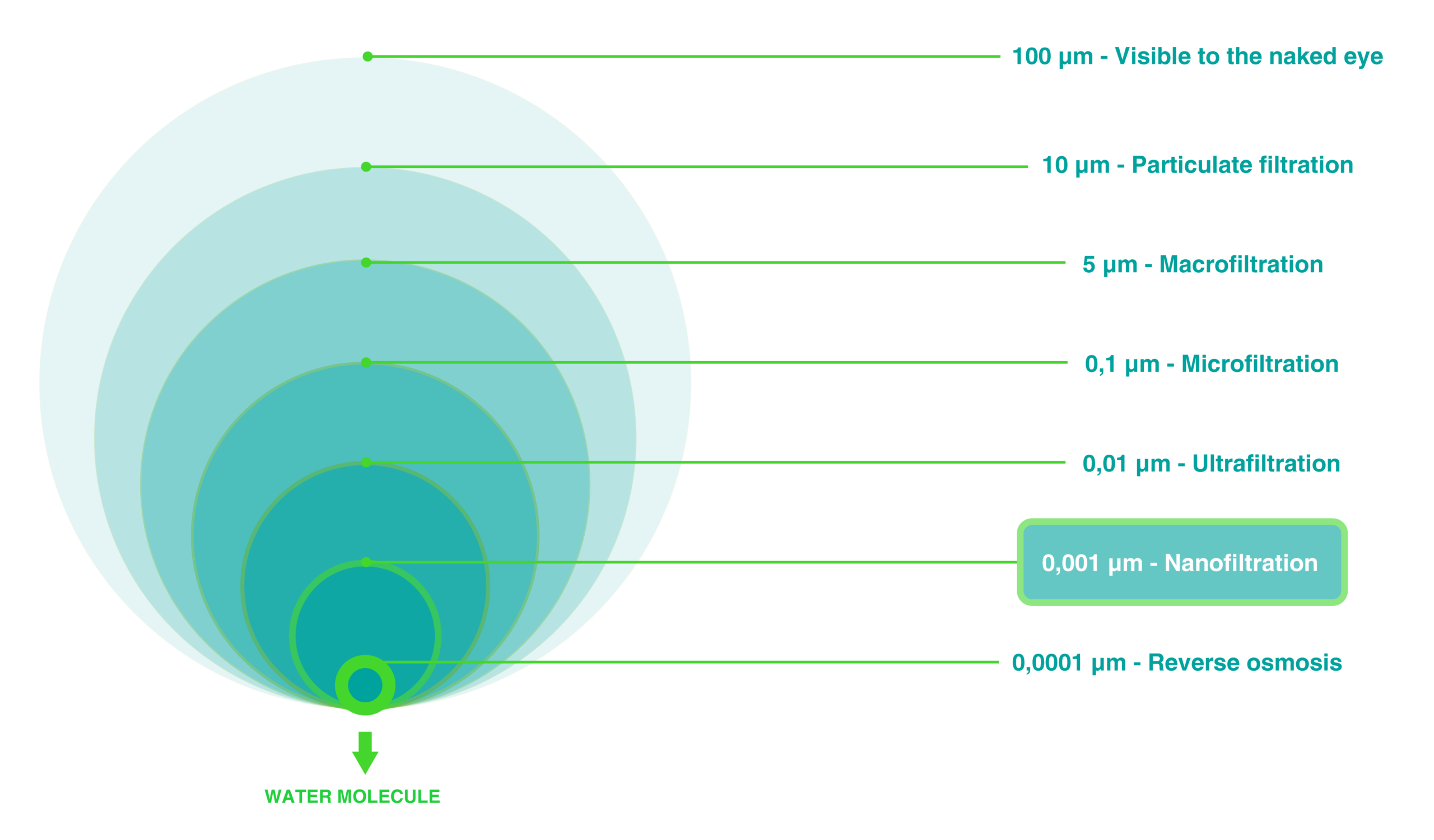
In these processes, the role of the nanofiltration, This is necessary to retain particles smaller than 0.1 microns, a granularity that can characterize many active ingredients used in the pharmaceutical industry.
Some studies highlight how certain nanoparticles can pass through cells and tissues, spreading throughout the organism and reaching the brain, with possible biochemical effects. Indeed, due to their extremely small size, nanoparticles possess properties that fall between those of gaseous pollutants and those of airborne particulate matter.
Unintentional contact with solvents, corrosives or sensitizing compounds can cause allergic reactions, skin irritations or serious injuries through inhalation, ingestion or eye contact.
Cleaning and maintenance operations release vapors of solvents and disinfectants that, in poorly ventilated environments, increase the risk of respiratory disorders.
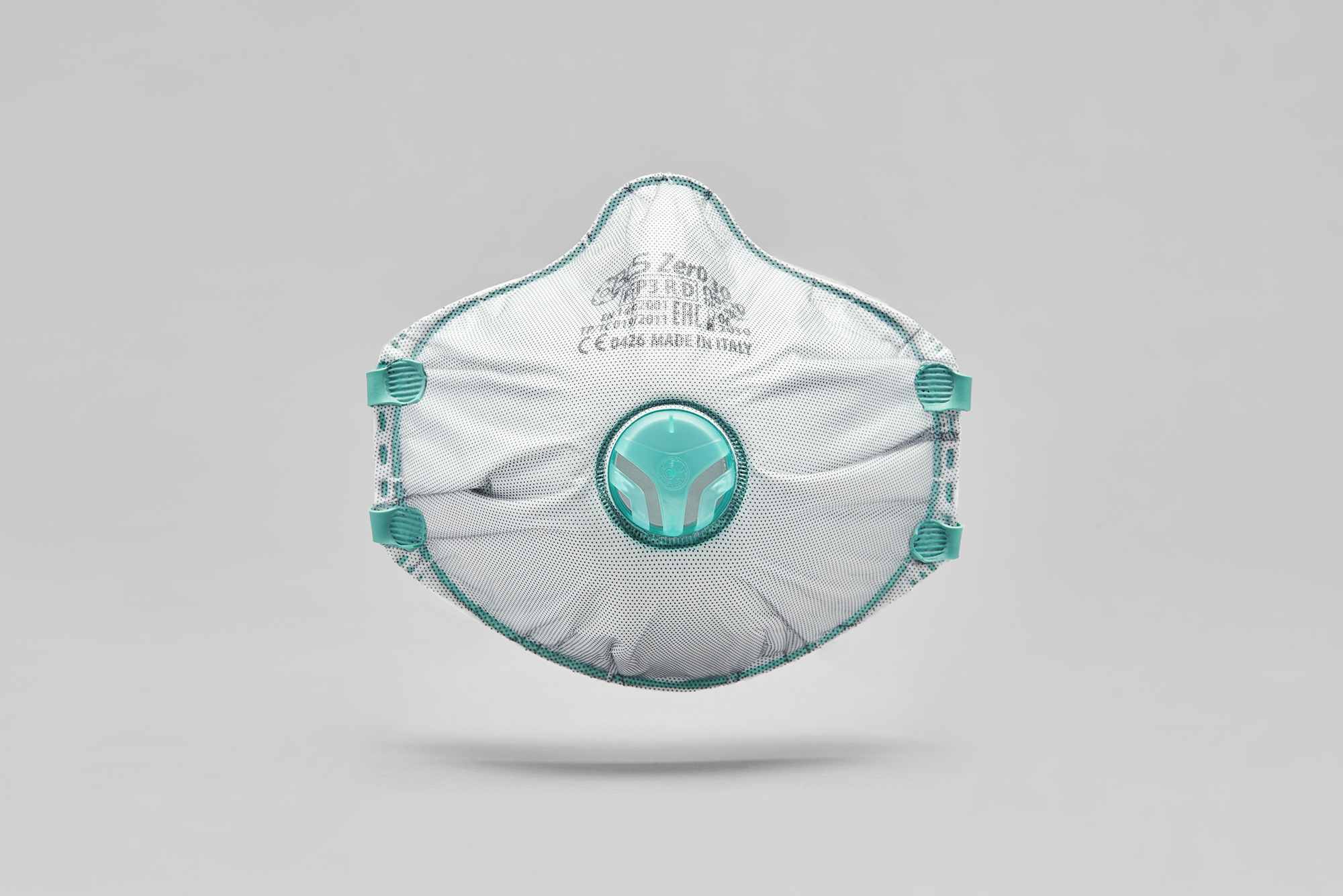
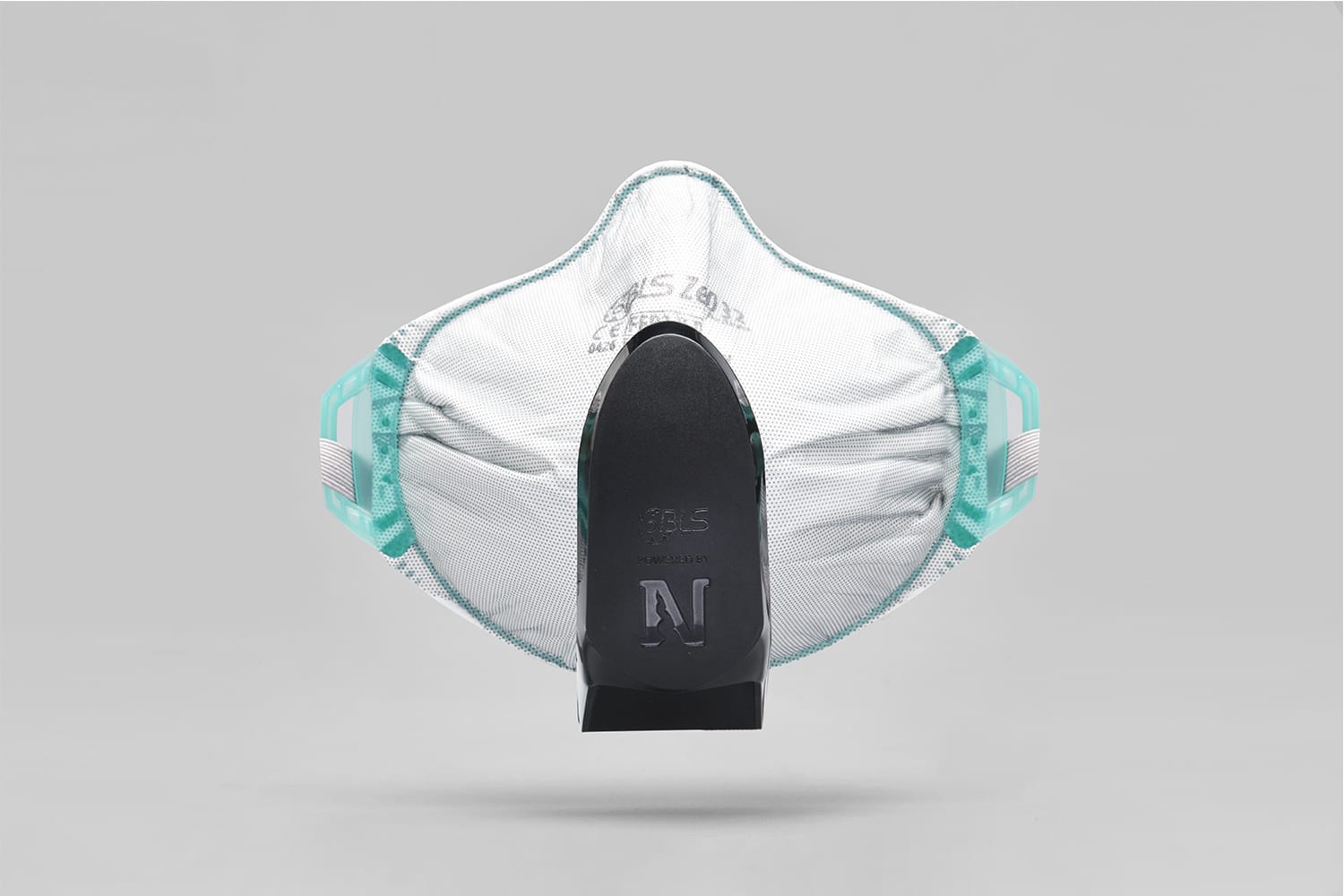
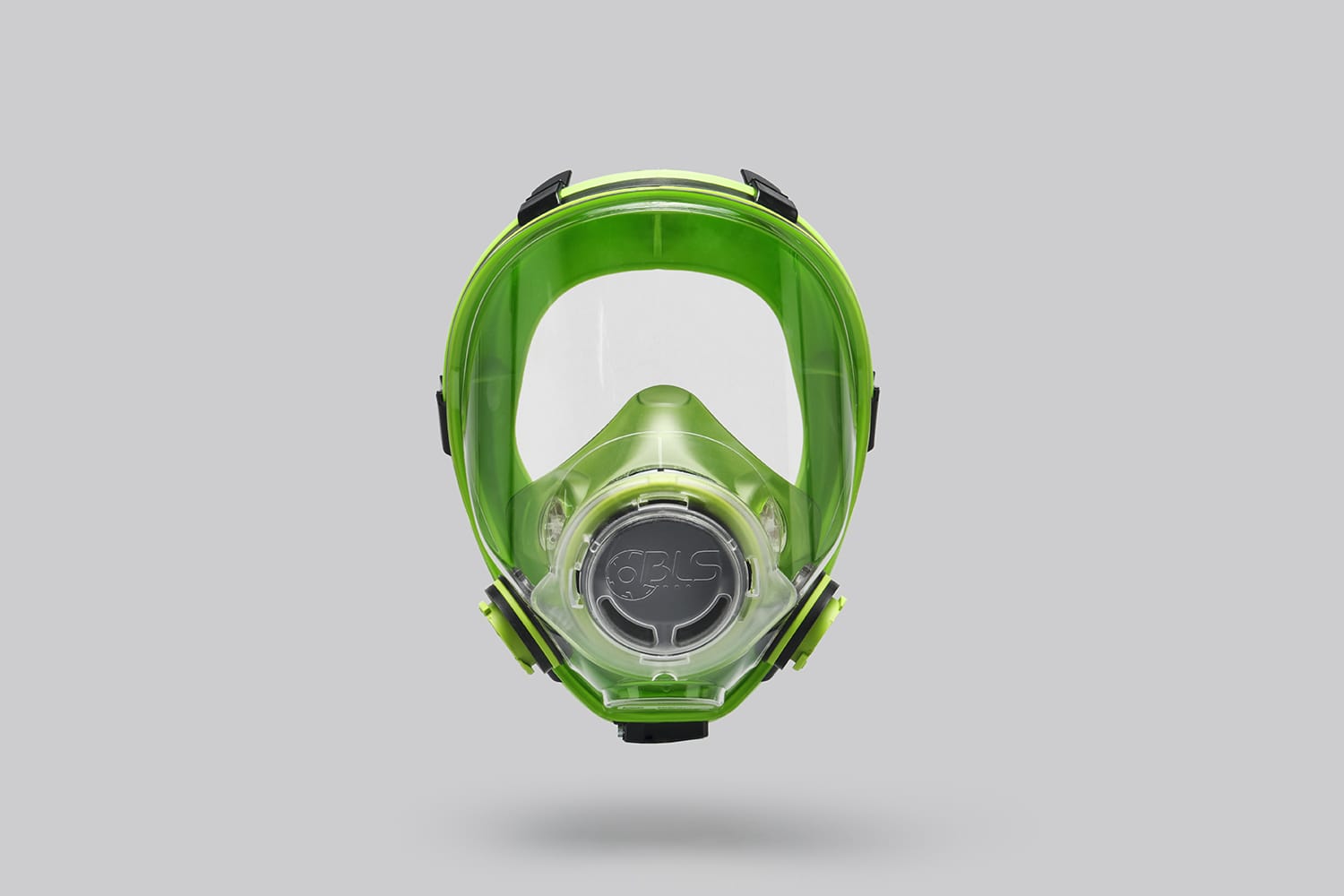
The choice of the correct one Individual Protective Device (DPI) for respiratory protection It depends on both the nature of the contaminant and its concentration.
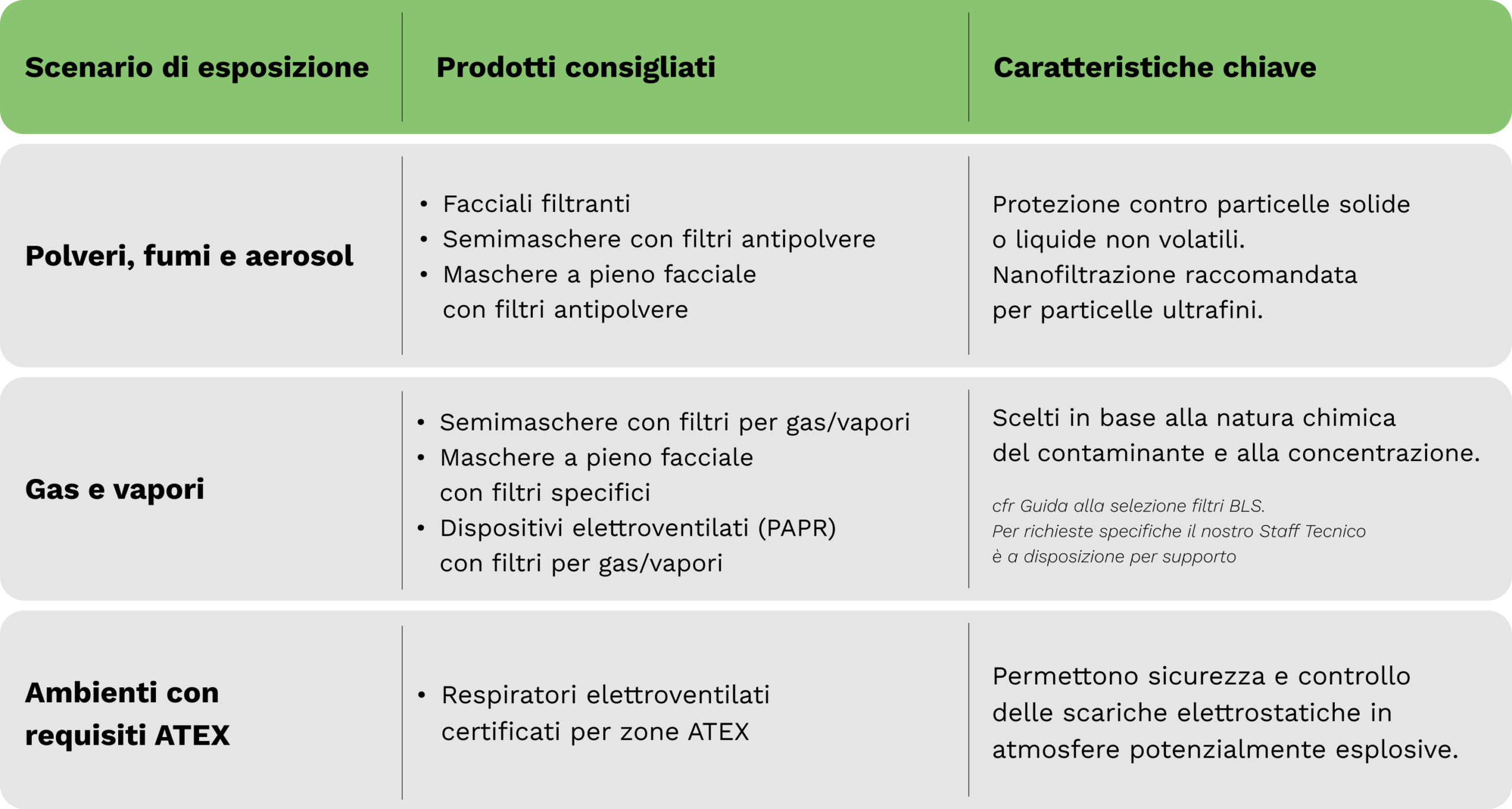
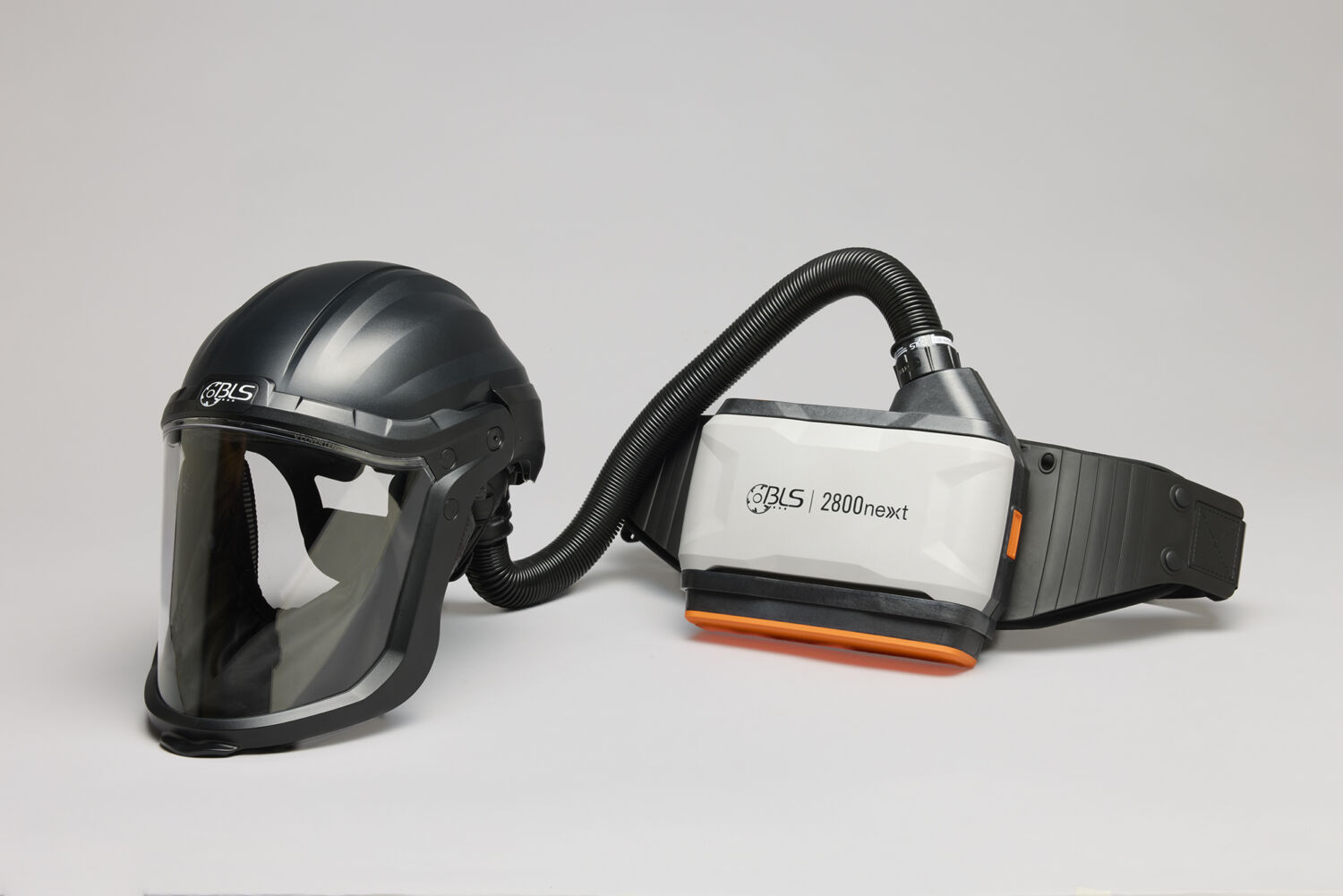
Note on powered air purifying respirators (PAPR):
These systems offer advantages in terms of comfort and reduction of respiratory effort, making them suitable for prolonged use or in conditions of higher contamination concentration. They are also the best solution for people with beards, as they do not require a fit test.