Workshops
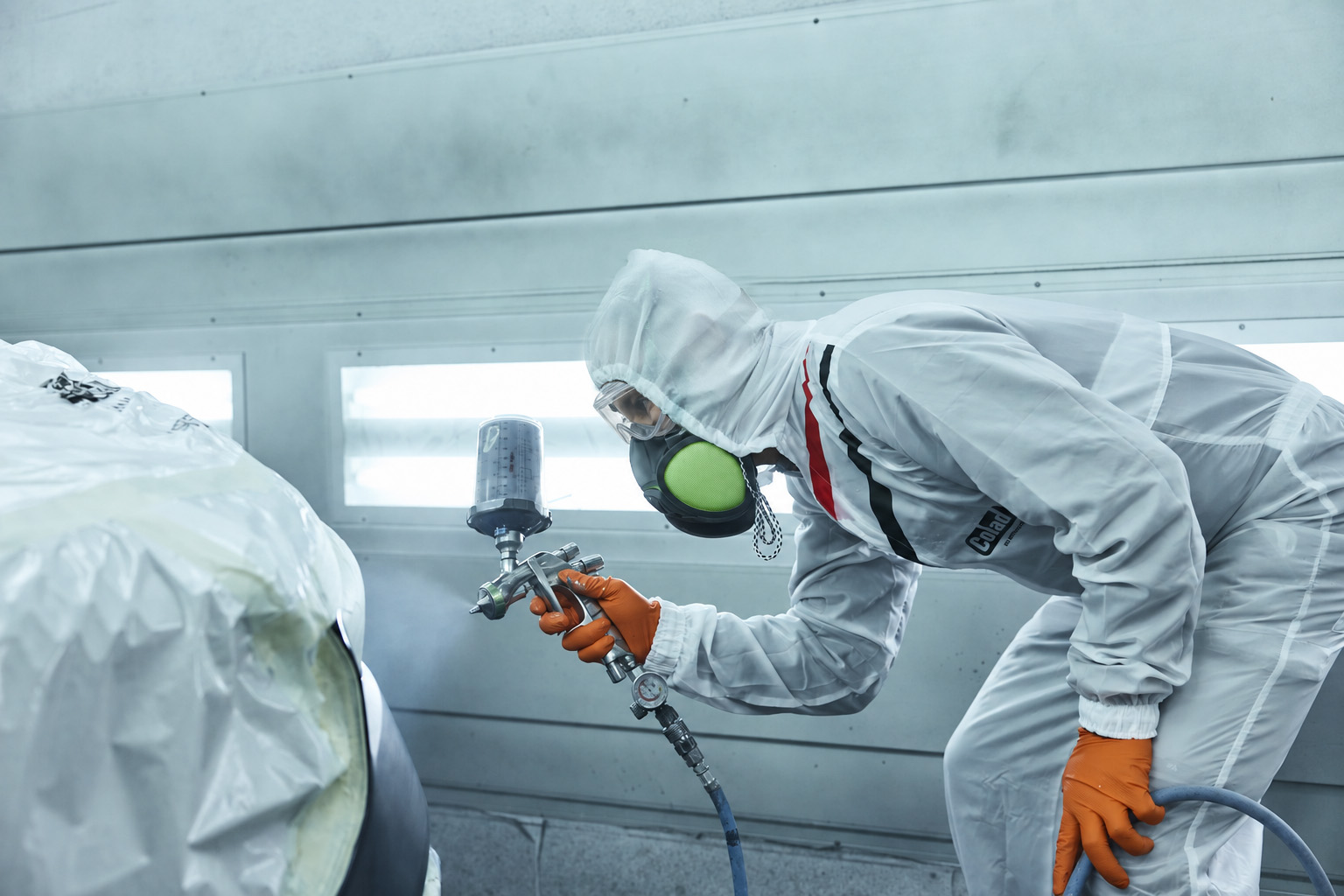
The protection of the respiratory tract It is often a difficult topic to address: while the risk of an injury is more easily perceived due to its immediate effects, damage to the respiratory system often presents itself in the form of professional diseases even after many years have passed since the exposure, and the perception of risk is consequently more limited.
It is important to keep the focus on this issue, as in industrialized countries about 4% of all deaths from cancer are attributable to occupational exposure.
A substance or mixture can enter the human body through inhalation, skin contact or ingestion. The organs of the respiratory system (nose, throat, trachea, bronchi, lungs) have their own defense mechanisms against the introduction of chemical agents; their absorption also varies depending on the physical state in which the substance is found; for the purpose of protecting the respiratory tract, we must distinguish the contaminants into two macrocategories: particle material and gas/vapour.
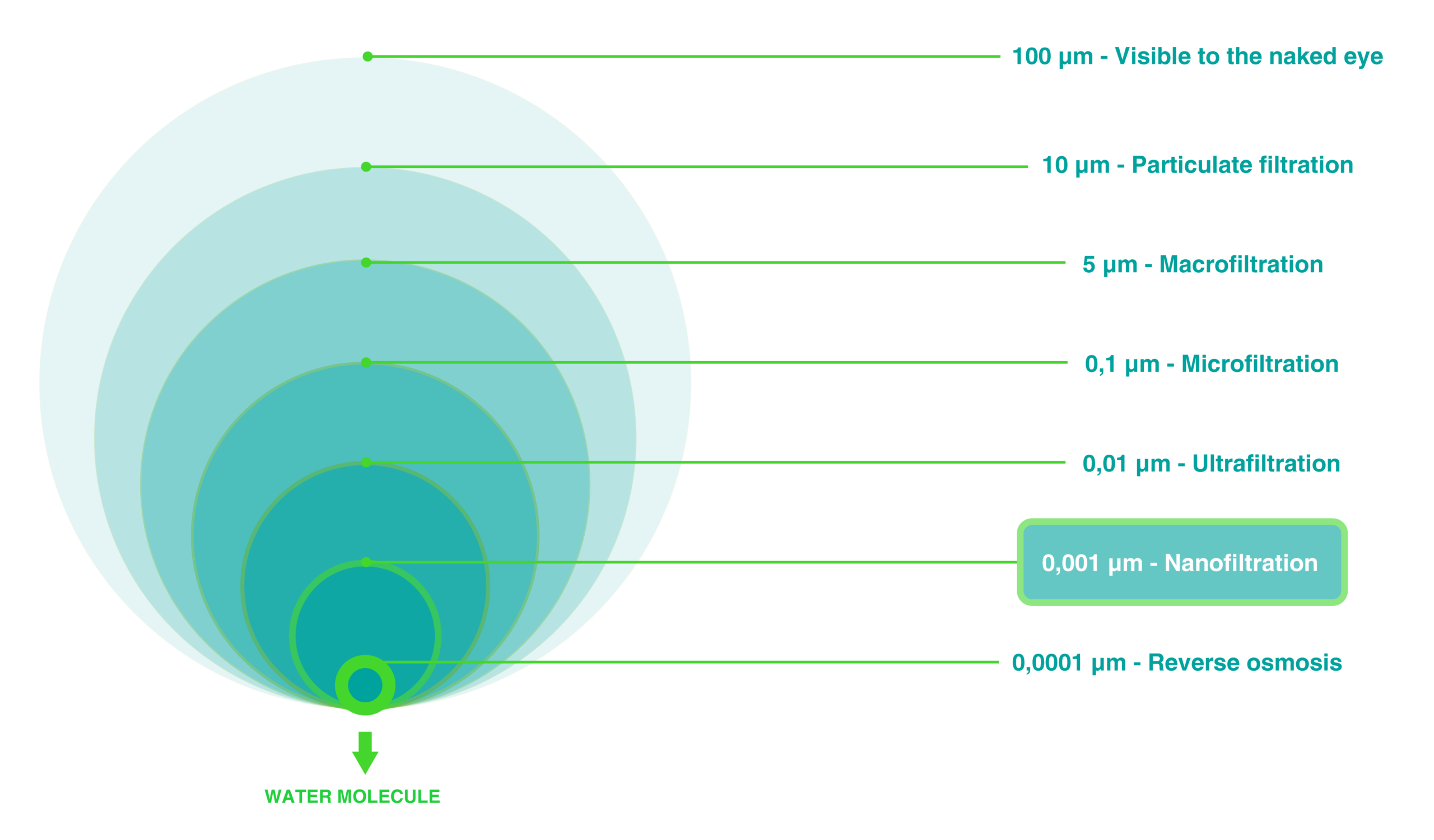
As for the particle material ,It is important to emphasize that the particle size is inversely proportional to its toxicity: a lower particle size corresponds to greater danger. Nanoparticles,having Granulometry < 0.1 µm They penetrate the tissues and the blood, and cause Biochemical damage.
Nanoparticles are present, in addition to urban particulate matter, in many industrial processes, including: the painting: For example, particles of titanium dioxide, silver, and silicon dioxide are present, and exposure occurs both during the drawing process and as a result of aging processes, due, for example, to exposure to UV rays, damage to the paint itself, or its removal.
HOW TO PROTECT THEMSELVES FROM NANOPARTICLES?
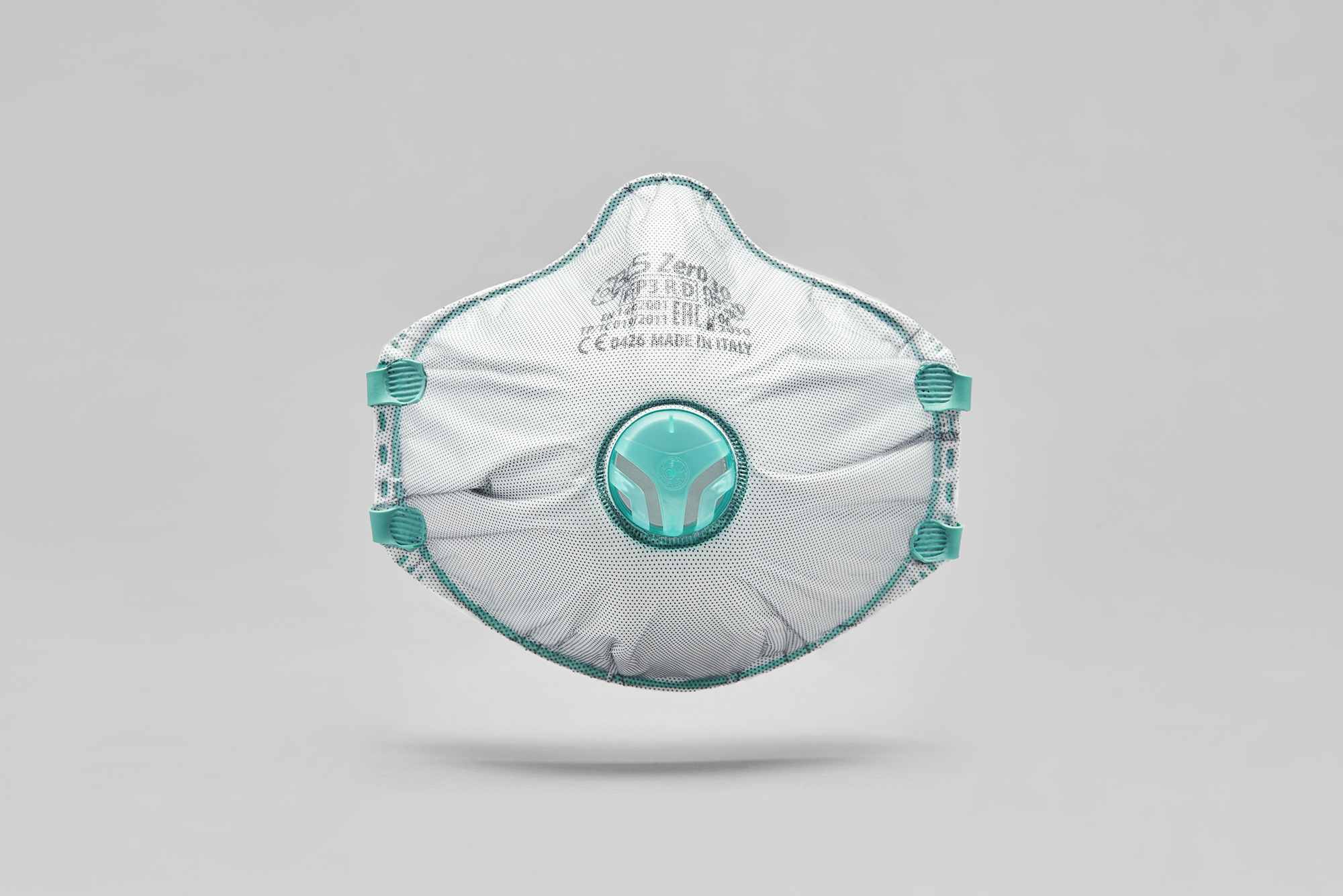
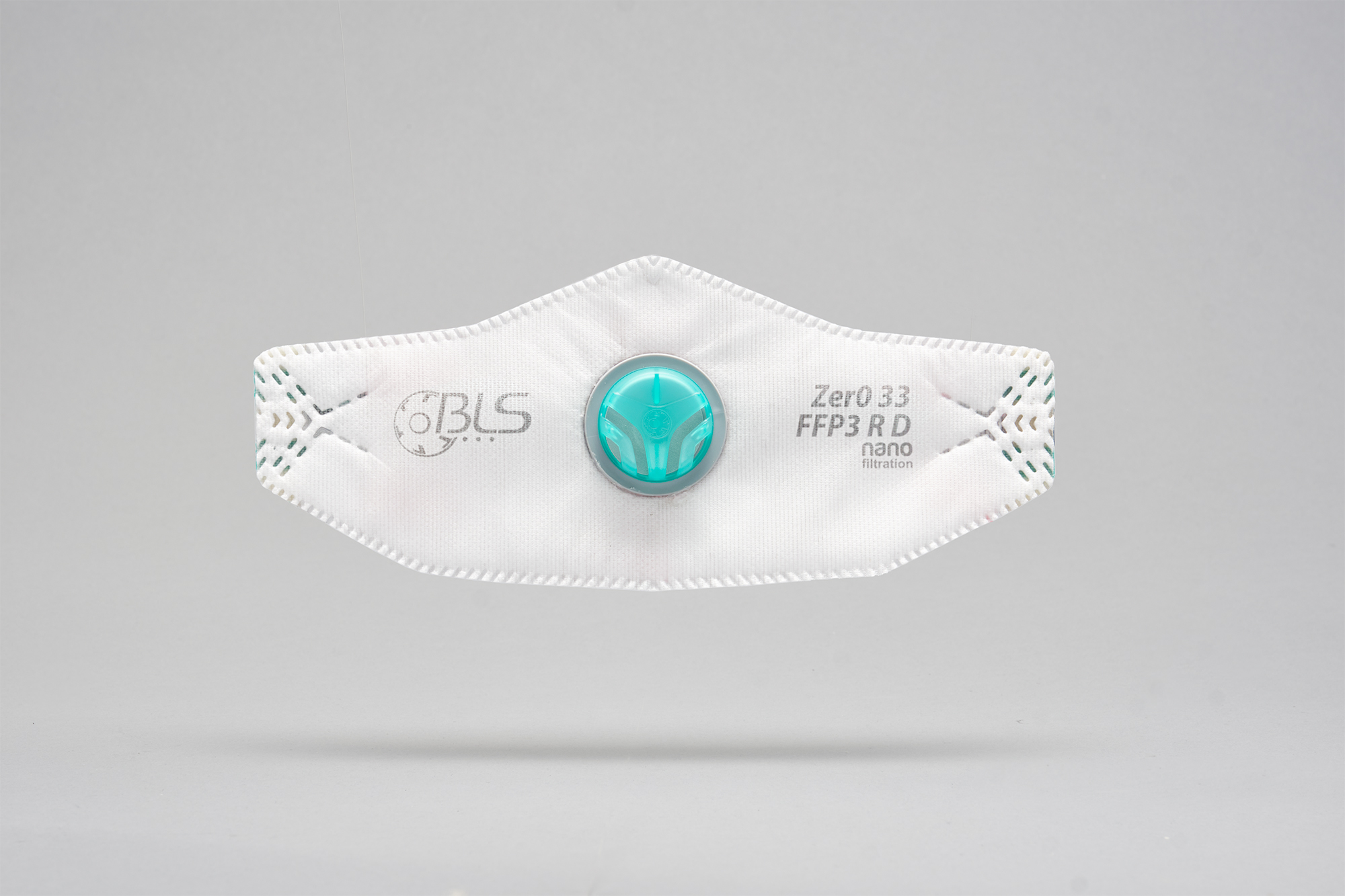
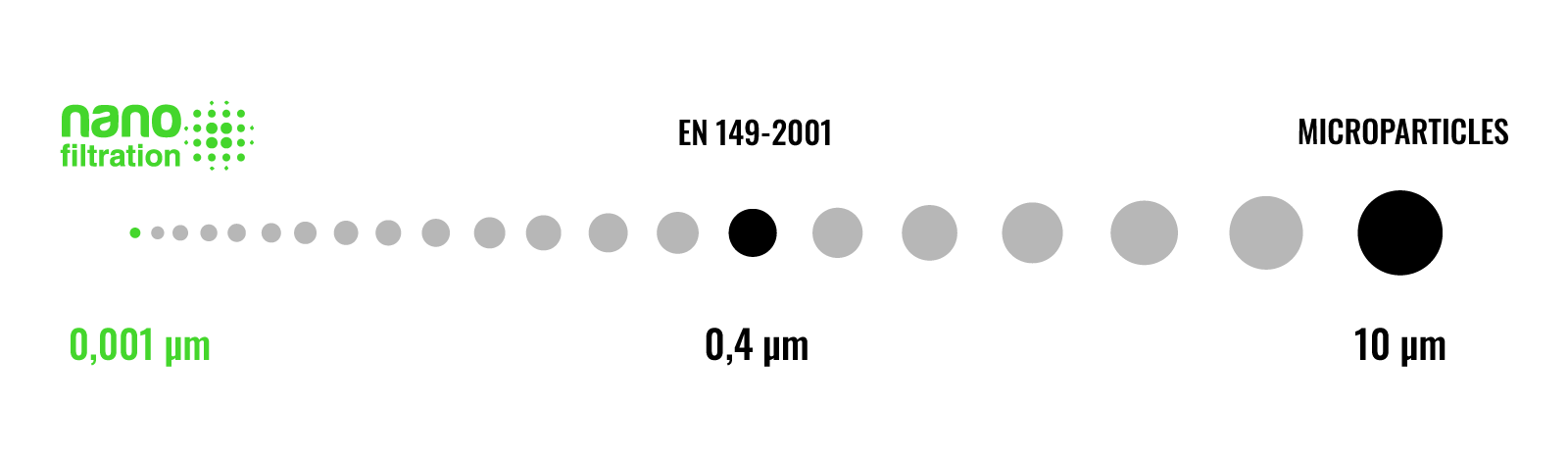
Traditional facial filters are tested according to the requirements of the European Standard EN 149, which stipulates testing for particle filtration with a mean particle size. 0.4 µm: The BLS face filters from the Zer0 range have passed also The filtration tests of nanoparticles, With an efficiency of over 99% (tests performed by the laboratory) Itene, at the University of Valencia).
As far as the issue of exposure to gas/vapors, In the case of painting, we are obviously talking about solvents and paints, chemical agents by definition.
POLYURETHANE PAINTINGS
In particular,Polyurethane paints are used for various applications due to their high resistance and durability, for example for the painting of automobiles, furniture, wood, and the sealing of floors.
Most polyurethane paints on the market are two-component paints composed of resins and hardeners: the latter contain isocyanates which, through a chemical reaction caused by the interaction with the resins, produce a layer of polyurethane paint.
ISOCINATI
Isocyanates are potent irritants for the mucous membranes of the eyes, gastrointestinal tract, and respiratory tract, and can lead to corneal pathologies, in addition to having a strongly sensitizing effect.
SOLVENTS
Among the are also Different substances are identified as harmful, among which the most common are the toluene, xylene, ethyl acetate and isopropyl alcoholThese agents can cause various neurological disorders, such as memory deficits, personality disorders, insomnia, loss of color vision, and hearing loss.

In summary, the main effects on the respiratory health following exposure to paints and solvents are the following:
From the point of view of protecting the respiratory tract, it should be remembered that it is always based on the assessment of the patient. environmental risk, and therefore of concentration of the present pollutant,This allows you to select the correct protective device. For example, in the case of exposure to paint and solvent fumes, the use of an activated carbon face mask is only possible if the concentrations of pollutants are below the relevant TLV (for example in a well-ventilated environment, or outdoors).
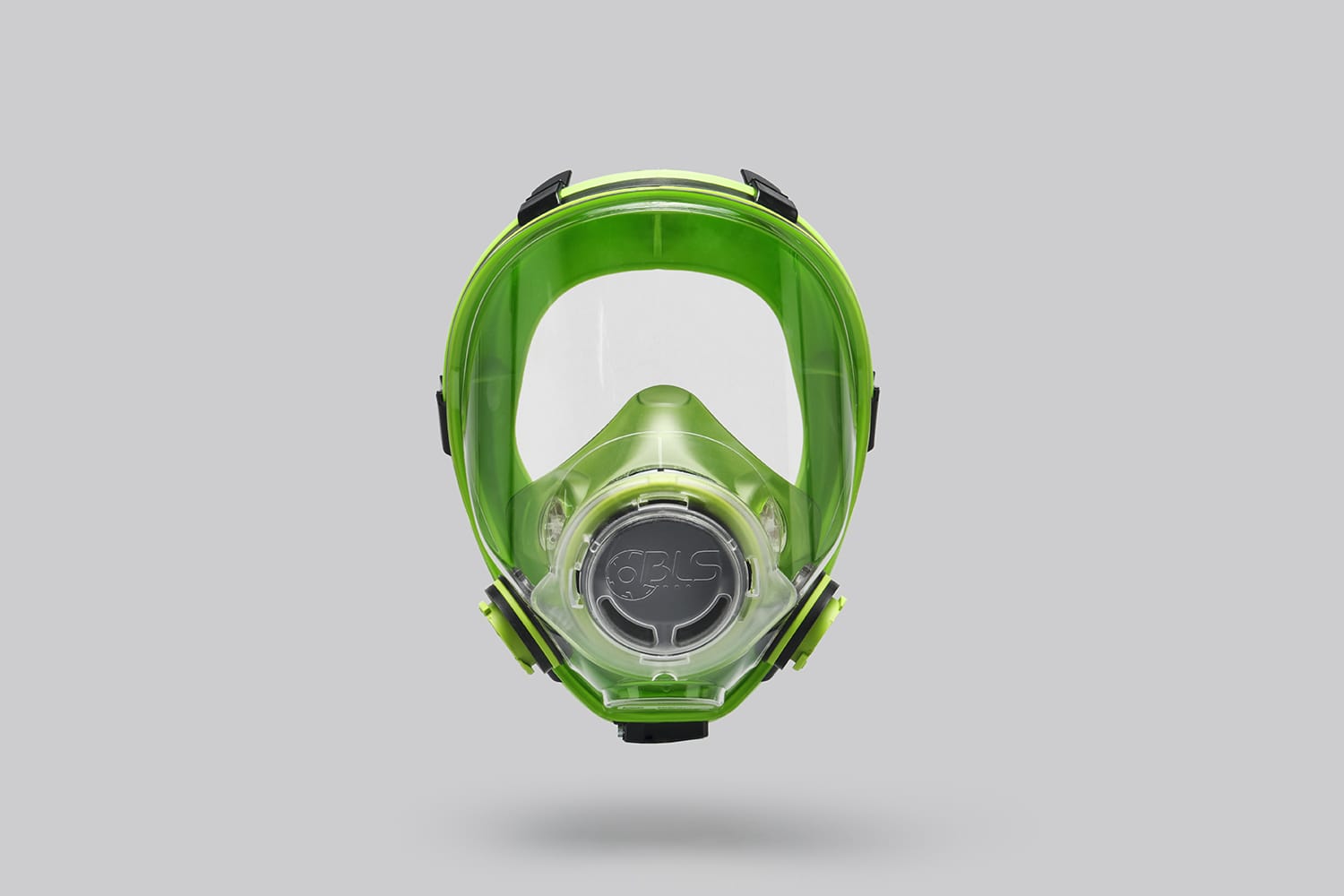
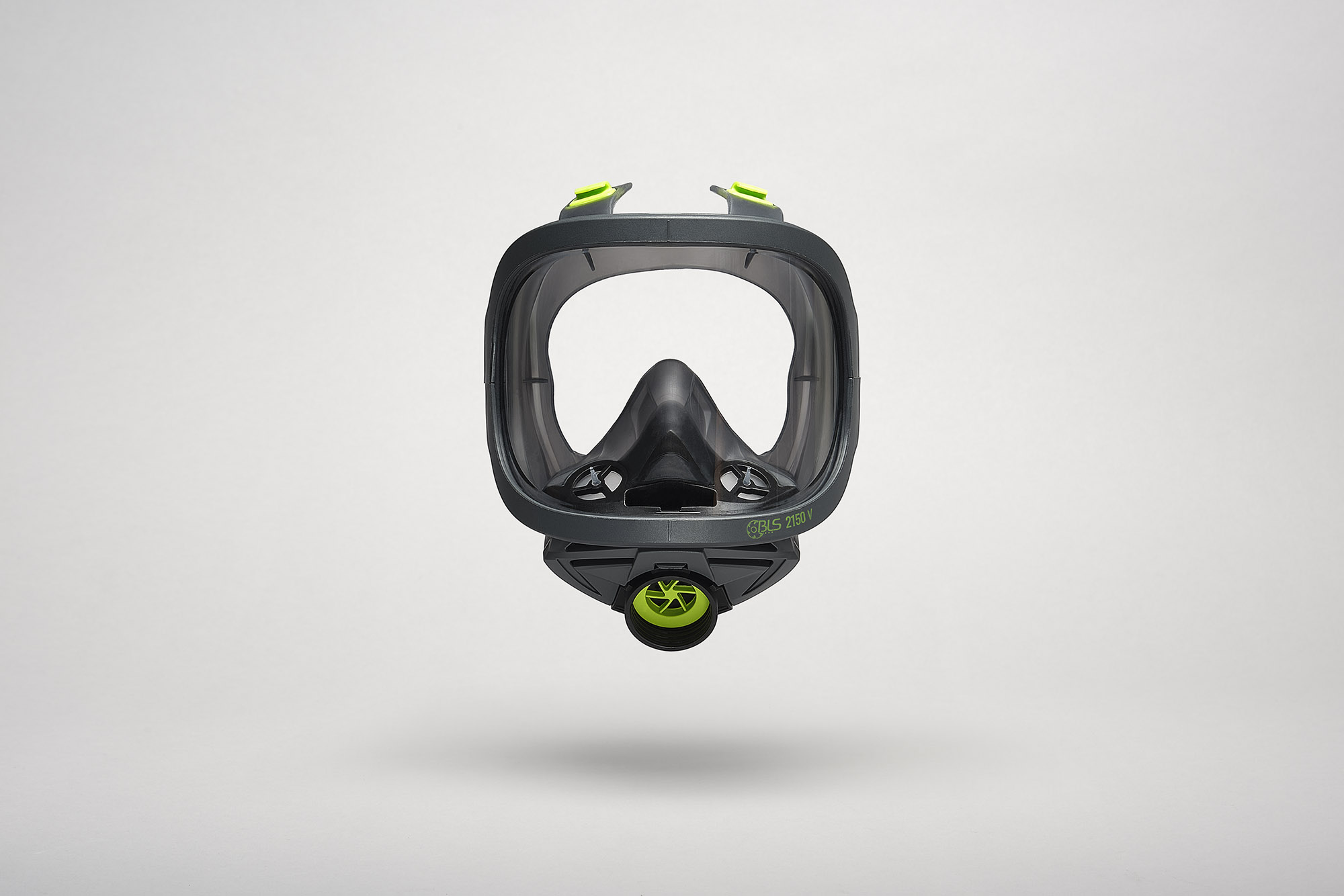
Real protection from paint and solvent fumes can only be guaranteed by half-masks with filters or, in the case of exposures to particularly high concentrations, full-face masks. A typical example is shipbuilding, or industrial paintwork where the
the suction systems are defective.
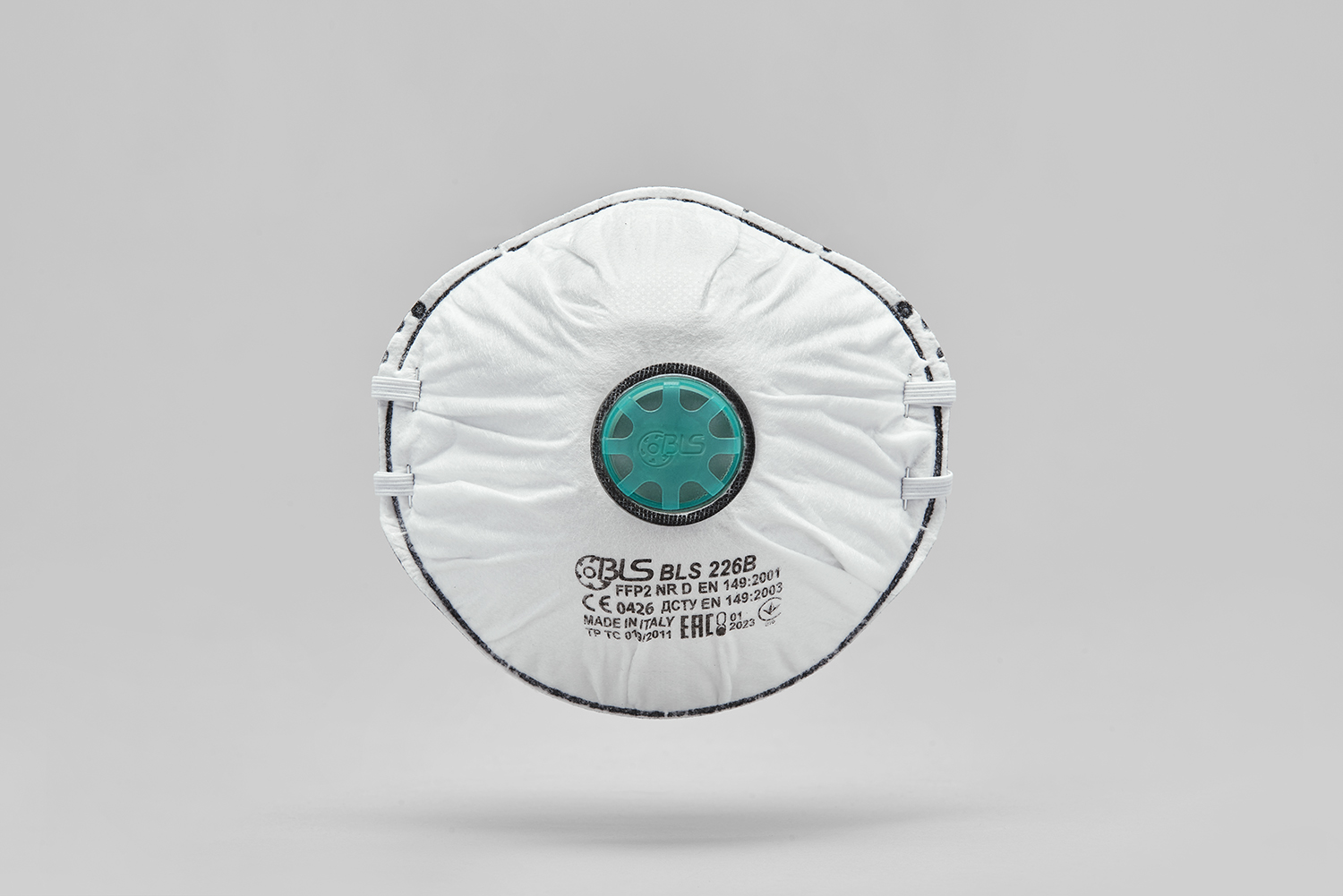
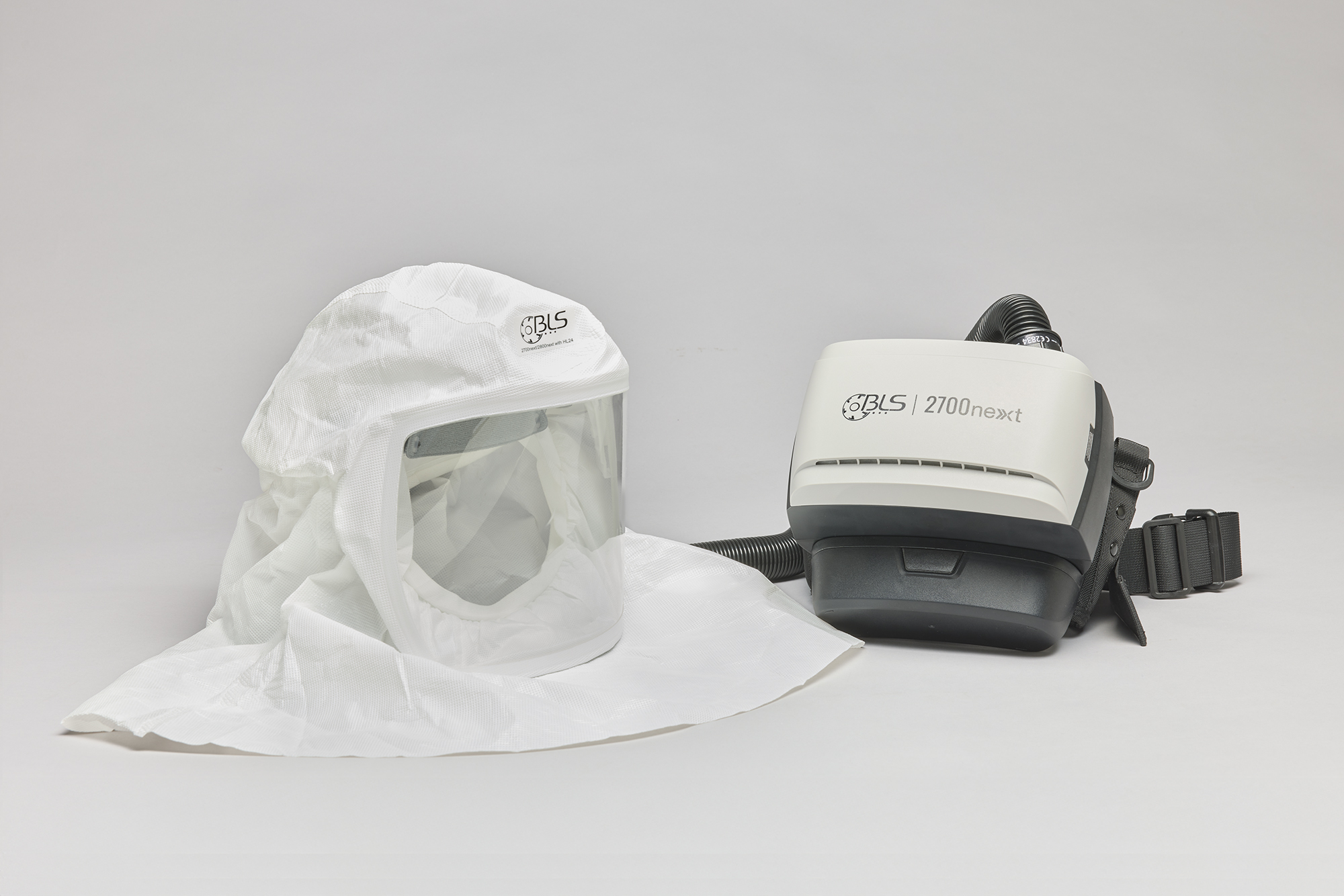
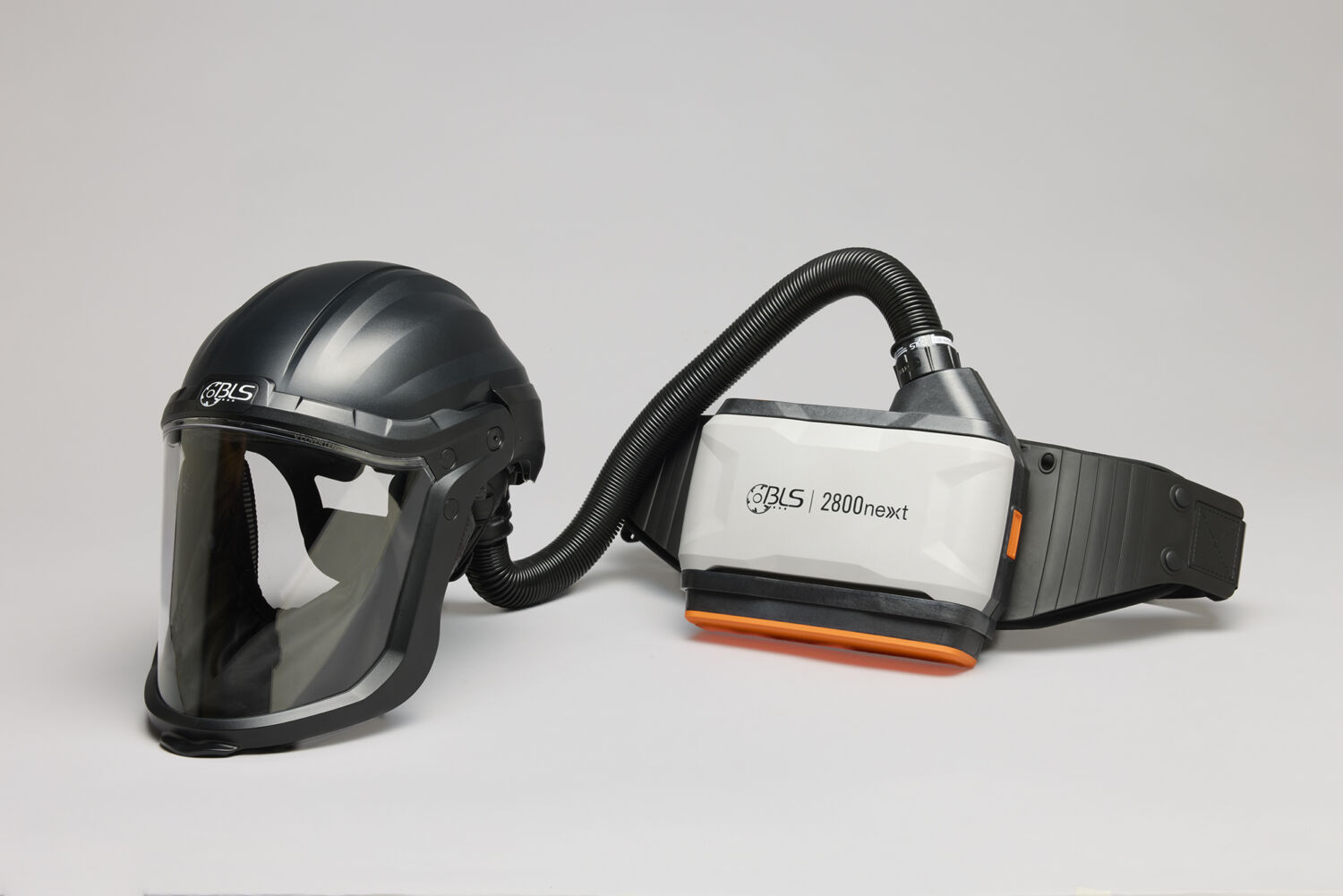
BLS offers a complete range of respirators with filters, in various materials and sizes, to meet the needs of all types of users.
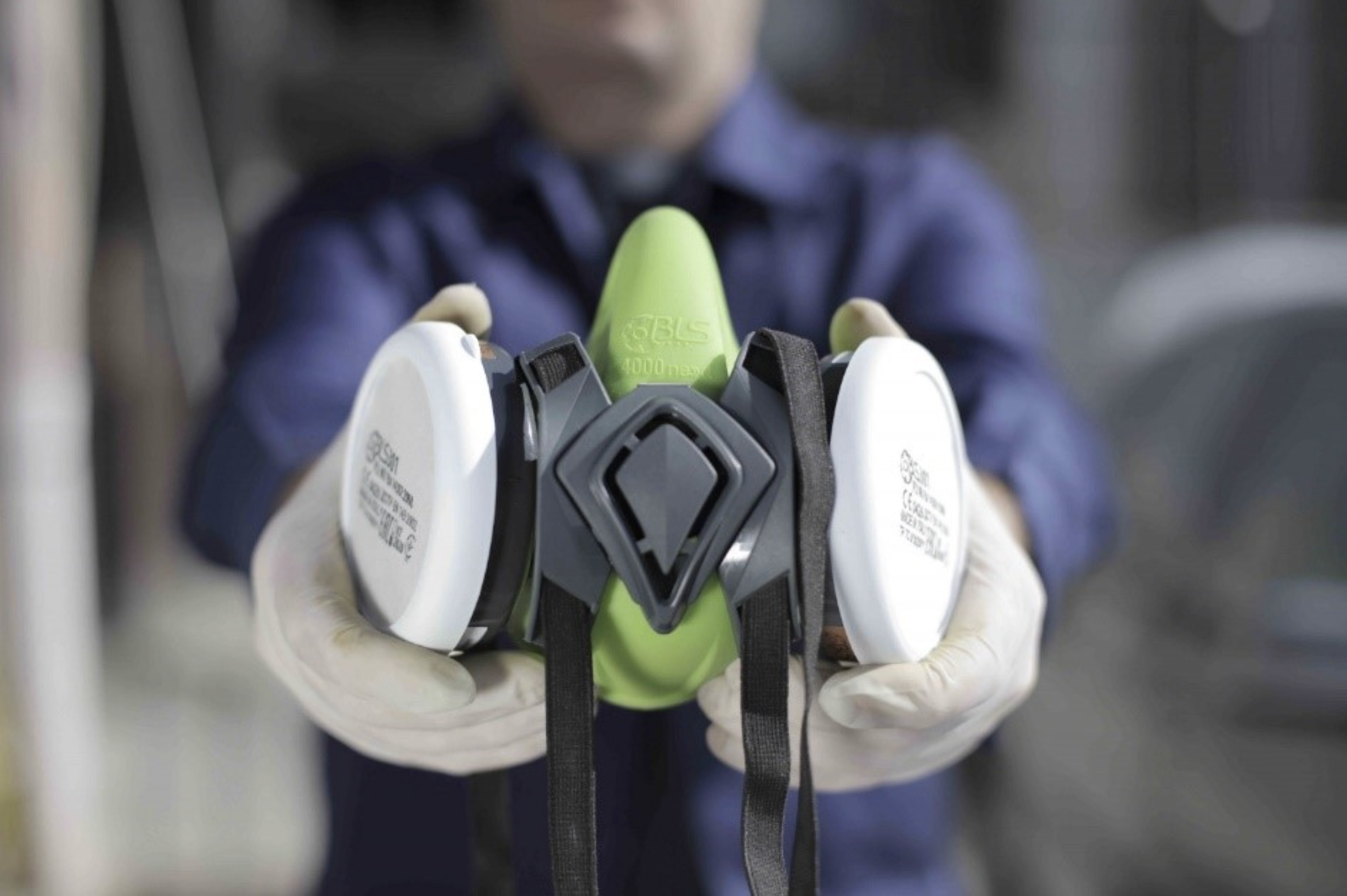
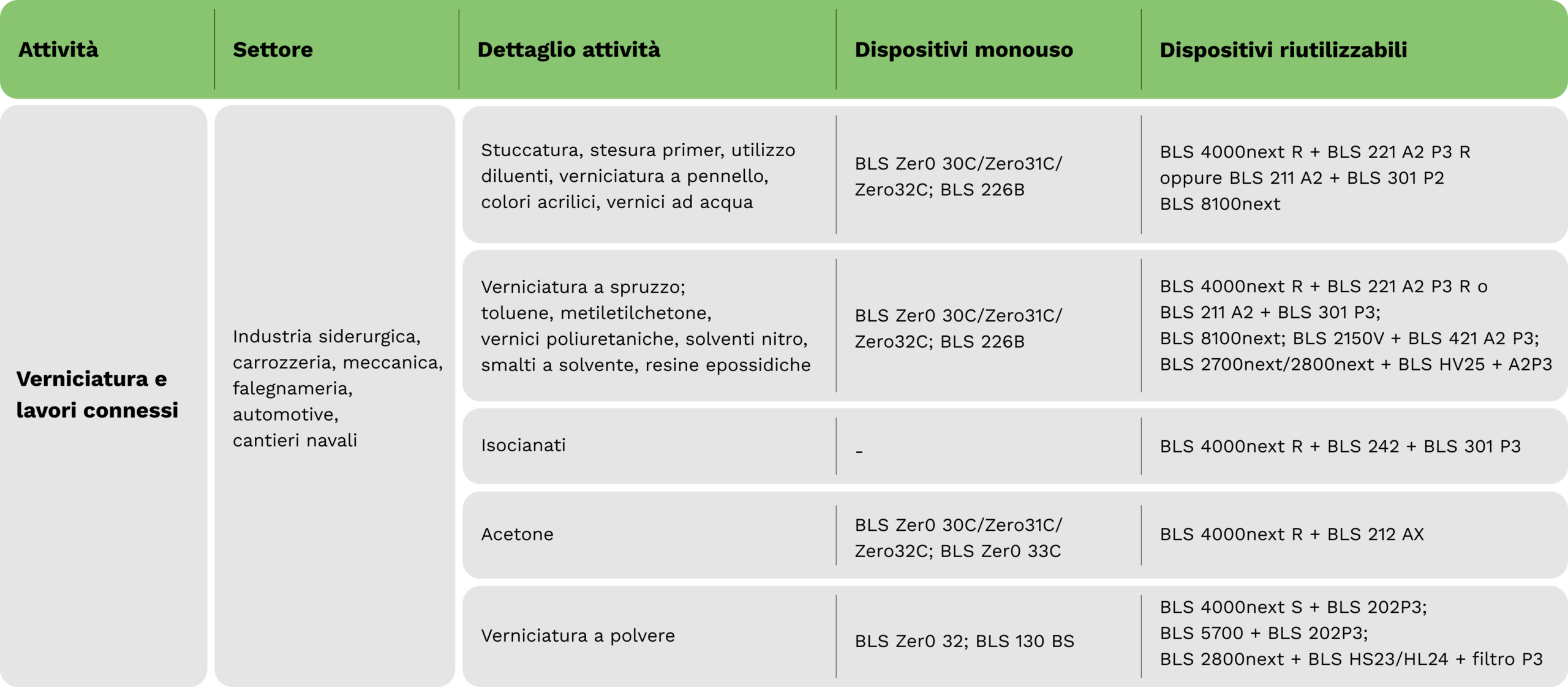
Below is a summary table with the BLS products recommended for each processing: