Industries
The reduction of workplace injuries and occupational illnesses inevitably starts with substantial prevention and awareness-raising efforts by all involved parties: INAIL is well aware of this and has implemented a specific prevention plan for 2022-2024 that defines prevention policies aimed at reducing risks, in line with the European Strategy for Health and Safety at Work 2021-2027 (1).
An integral part of the plan is the training activity, to be developed in all its aspects, in order to promote a rooted (and not imposed) culture of the value of safety in workplaces.
This article dedicated to safety in shipbuilding and in the automotive industry aims to make a small contribution to raising awareness of the risks associated with this specific sector, and the possible actions to take to prevent the onset of occupational diseases.
The hypothetical danger and severity of an injury are immediately perceivable: the projection of a splinter into an eye, the fall of heavy objects from above, the danger of burns or a possible crush are intuitive, as they involve immediate tangible harm.
Occupational illness, defined as a pathology that arises in connection with work-related activities, in most cases develops over the course of years. According to the 2022 INAIL annual report, there were 540 confirmed cases of respiratory system illnesses in Italy.
Some occupational diseases affecting the respiratory system are specifically related to risk factors present in the workplace environment,Such as pneumoconiosis, while in other cases workplace exposures contribute to the development or exacerbation of respiratory diseases, such as chronic obstructive pulmonary disease (COPD), asthma or lung tumors (2).
The statistical database of Inail highlights that in the period 2014 – 2018 Respiratory diseases accounted for 5.02% of occupational diseases,This ranks fourth after diseases of the musculoskeletal system, diseases of the nervous system, and noise-induced hearing loss.
It is necessary to emphasize that, despite the number of cases of diseases affecting the respiratory system being lower than in other occupational diseases, respiratory diseases result in a higher number of disabilities and deaths.
What are the situations of danger that could cause (or contribute to worsening) respiratory diseases? Here are the main ones:
In addition to the risk of poisoning due to a massive short-term exposure (e.g., accidental spill of large quantities), the most insidious risk is that associated with exposures that may be relatively short but continuous over months and years. Any negative consequences depend not only on the level of toxicity characteristic of the substance, but also on the degree of sensitivity of the individual to the effects of that specific substance.
The activities involving the greatest exposure to chemical agents include:

The term “dust” refers to particulate material of various sizes, which is produced by operations such as:
When we talk about “fumes,” we are still really dealing with particulate matter: for example, in welding the metal vaporizes, and substantial amounts of particles are released into the air.
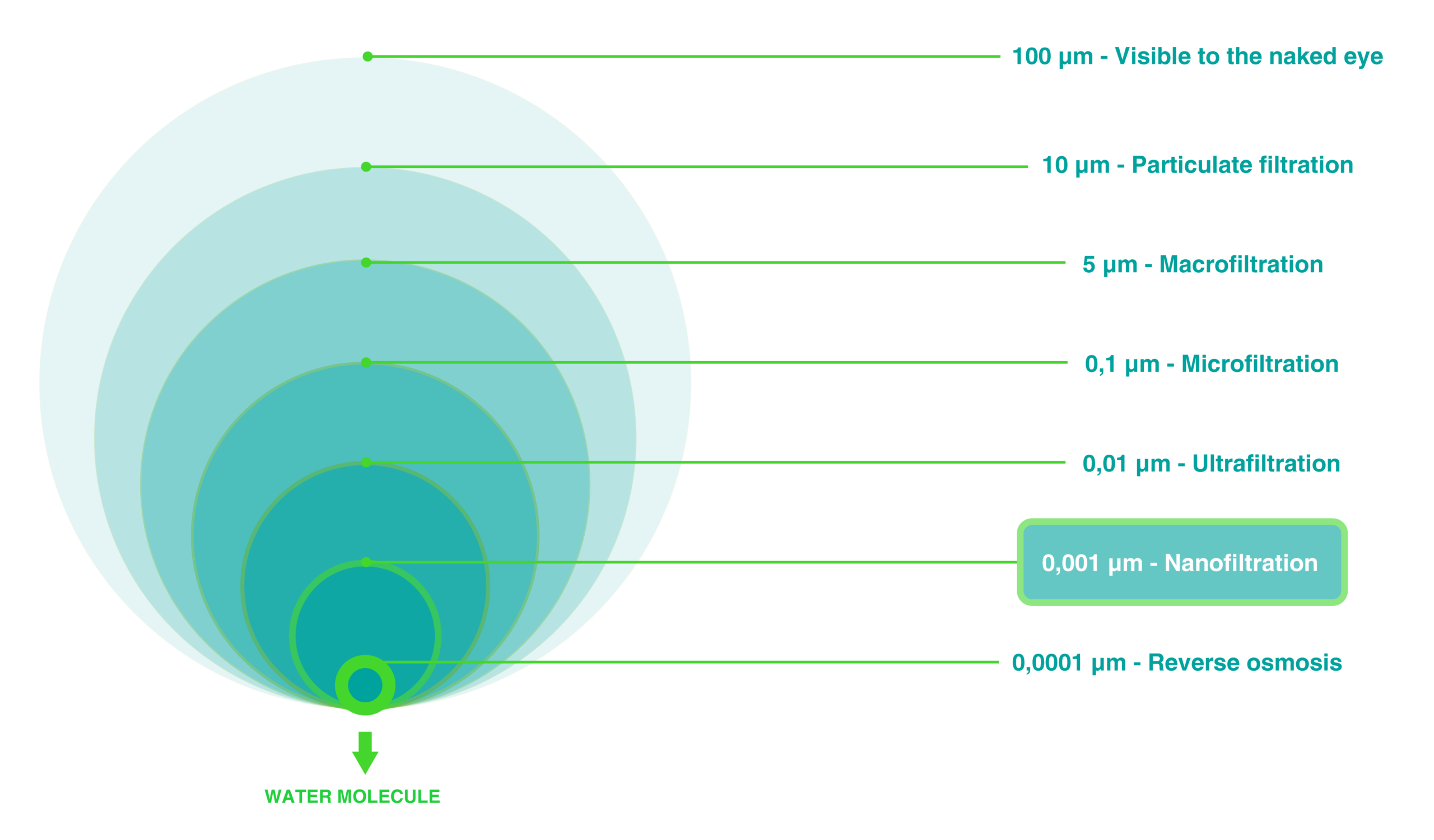
In all cases, it is important to remember that the level of danger of the particles to which you are exposed does not depend solely on the intrinsic toxicity of the material, but also on the particle size: particles with a particle size < 5 microns have significant chances of escaping natural defenses and reaching the lungs.
In this regard, it should be noted that wherever there is particle generation, there is the concurrent risk of generation of Nanoparticles (diameter 0.001 µm 0.1 µm): their infinitesimal dimensions mean that their behavior can be defined as intermediate between that of gases and that of the rest of the suspended particulate matter, insinuating itself between the cells and tissues causing biochemical damage.
There is still not a complete and thorough understanding of the damage that can be caused by exposure to nanoparticles, but various studies have focused on the most common and frequent risk situations, including welding and painting. Other processes in which the generation of nanoparticles is inevitable include woodworking, sanding, grinding, and in combustion processes.
Finally, the “fibers” belong to the same family of contaminants. In this case, the most significant risk is represented by asbestos fibers, whose carcinogenic nature is well known because they penetrate deep into the lungs, infiltrating the alveoli where they remain for an indefinite period of time.
On November 22nd, 2023, the European Parliament issued Directive 2023/2668, which repeals the previous 2009/148/EC in relation to the protection of workers against the risks associated with exposure to asbestos fibers: it will be implemented from December 21st, 2025, and stipulates that, until December 20th, 2029, employers will ensure that their employees are not exposed to concentrations of asbestos exceeding 0.01 fibers per cubic centimeter, relative to an average over 8 hours of exposure: this limit is 10 times lower than the current limit, and this gives us a measure of the growing attention to the need for increasingly stringent and precautionary measures to achieve effective prevention of lung diseases.
Among the fibers that require attention, we also mention glass fiber: although it is not classified as carcinogenic, its effects on human health are irritant and inflammatory, such that it can favor degenerative processes.
RESIN APPLICATION AND GEL COAT APPLICATION
During hull construction, resin curing, and the application of the gel coat with the relevant catalysts, it is one of the most critical operations.
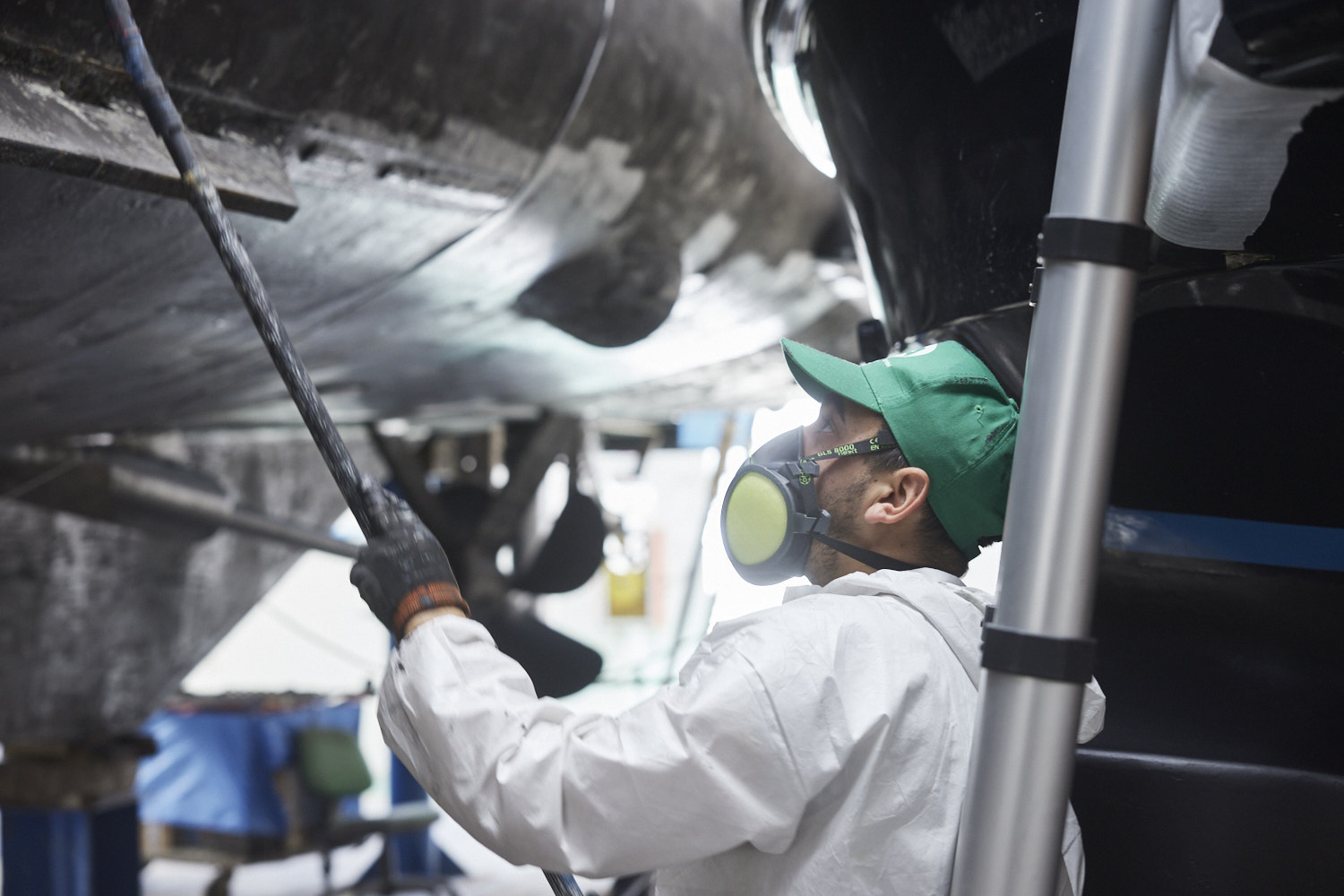
Resins, whether polyester, vinyl ester or epoxy, are all organic-based substances. Protection from their emissions requires the use of half masks combined with activated carbon filters for organic gases and vapours, together with particulate protection. In this case, two protective solutions can provide an equivalent level of protection:
The reasons that can influence the choice of one or the other solution are related to: practicality and/or cost-effectiveness. A device with integrated filters requires no maintenance, and the entire device must be replaced once the filters are exhausted.
A half mask with interchangeable filters may instead offer greater cost-effectiveness, as the facepiece can be cleaned and reused for months, while only the filters need to be replaced.
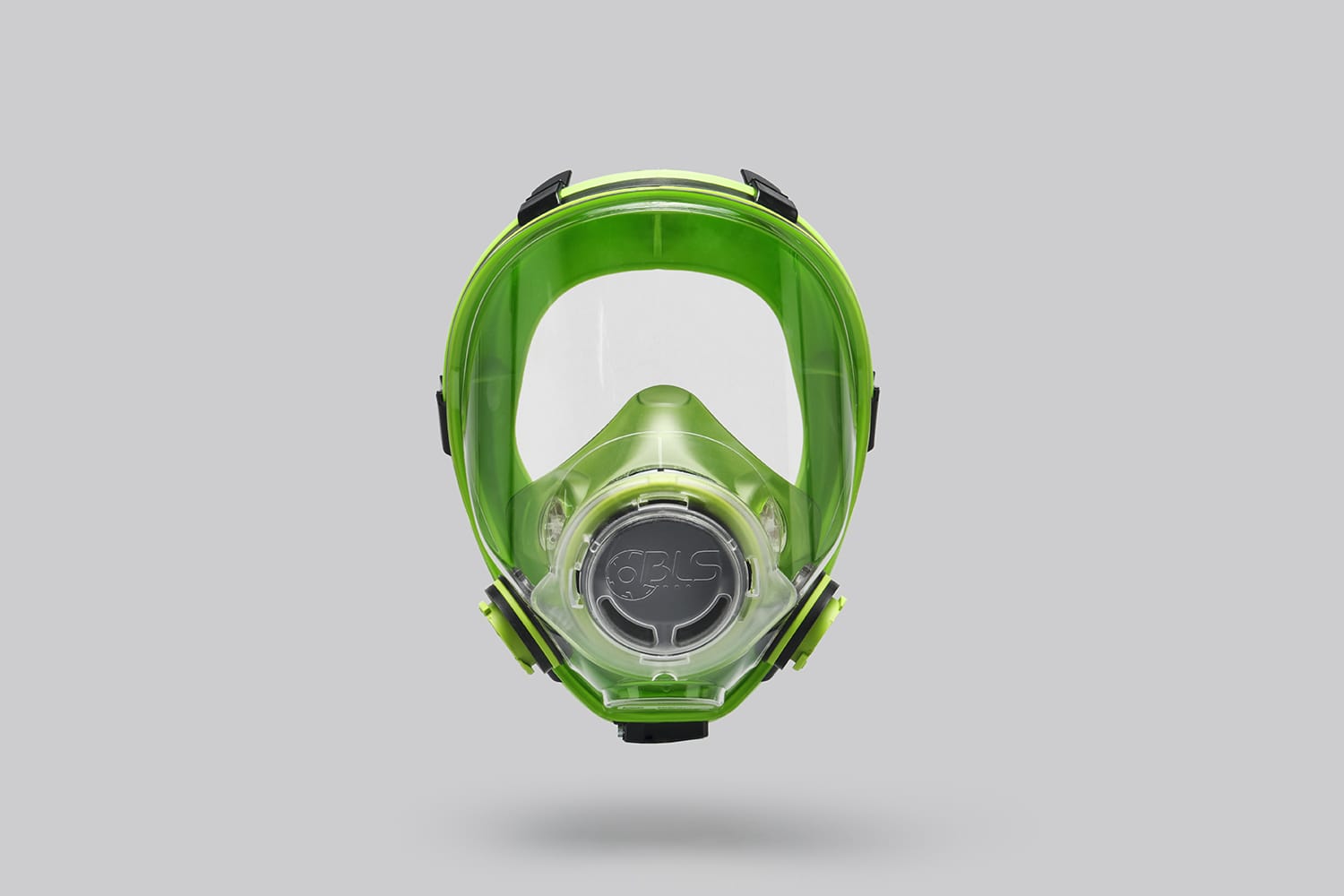
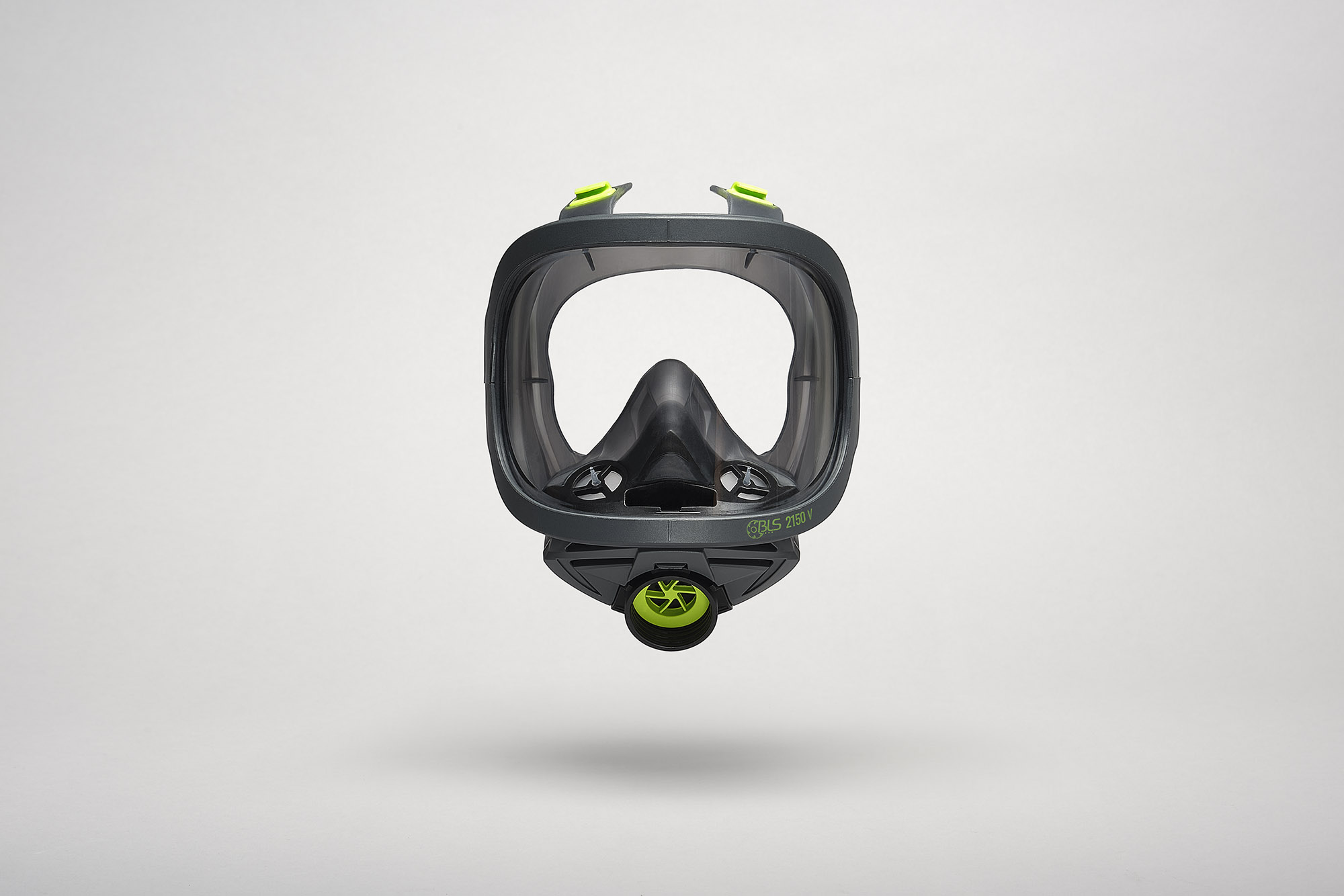
In the case of prolonged exposure, and particularly when eye protection is also required, the use of a full face mask with A2-P3 filters may be preferable.
WAXING
In the operations of waxingthere is no specific need to use PPE with respect to molds, but it can be useful to alleviate the discomfort of the odor with a Facial filter with activated carbon.
CUTTING SHEET GLASS
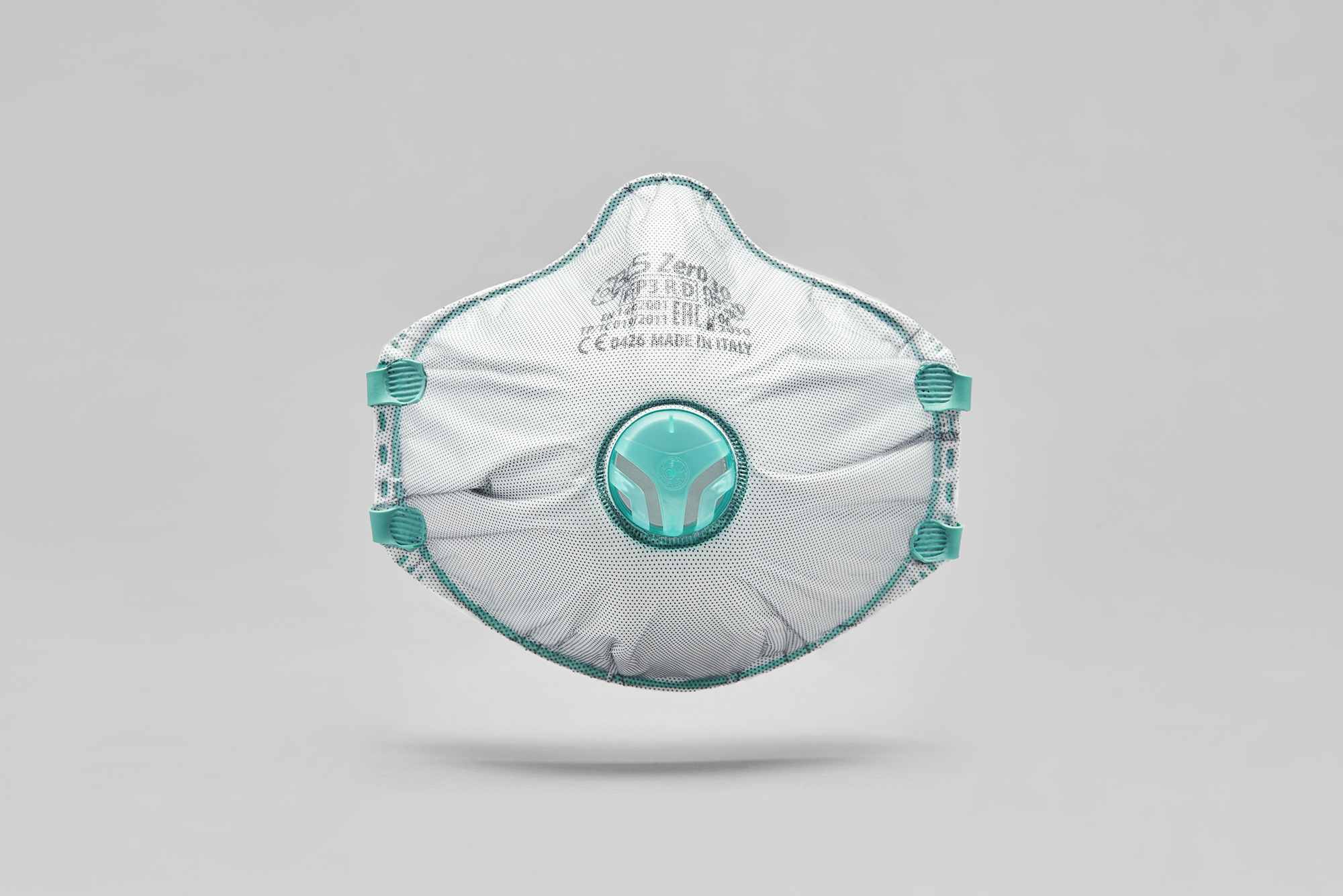
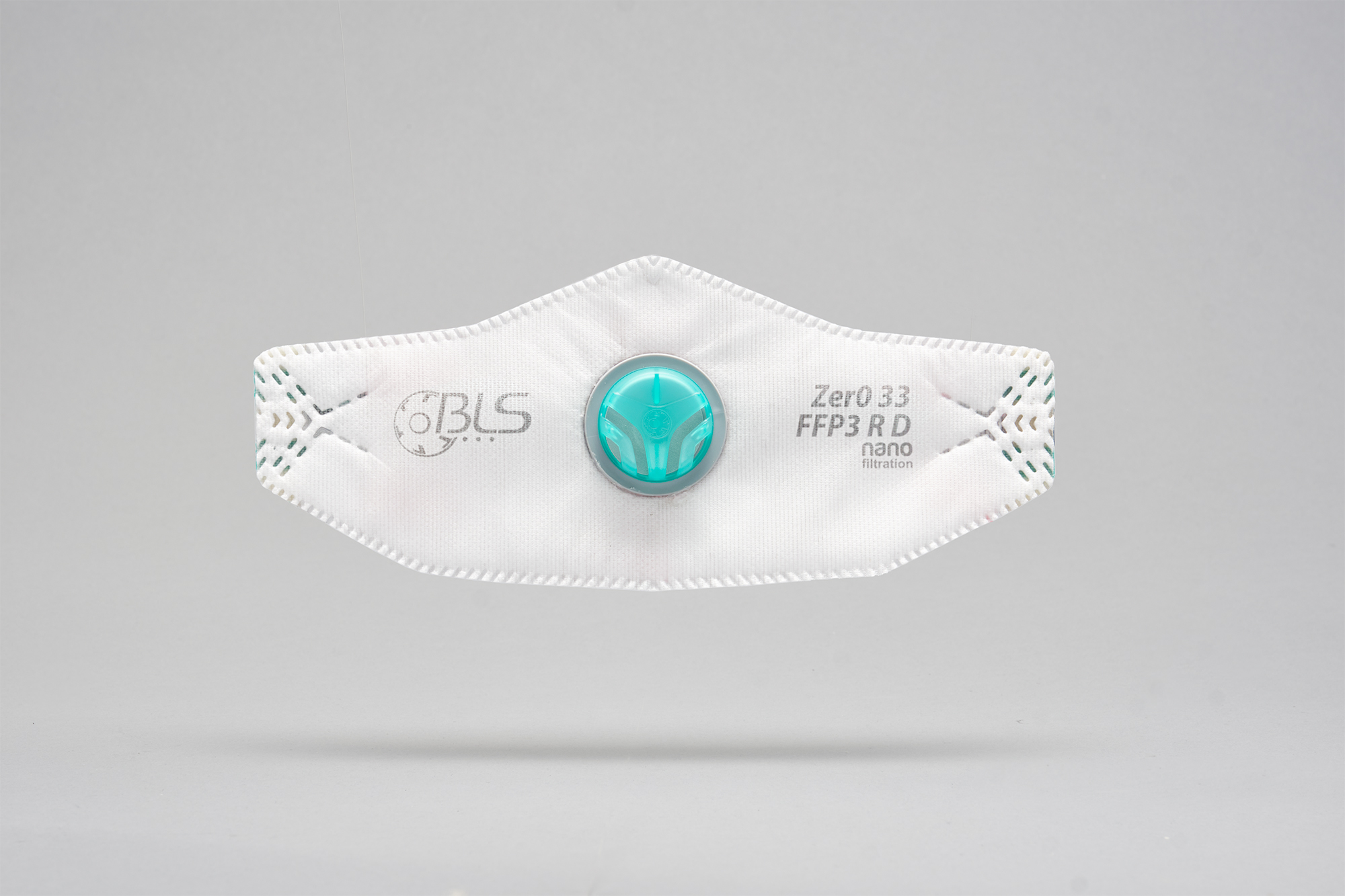
In the cutting of panels made of fiberglass, due to the generation of particulate matter, the use of a an FFP3 filtering facepiece with activated carbon is therefore recommended.
WOODWORKING
Moving on to the woodworking operations: In this case too, there is a theme of generating particulate material: from powders of a larger particle size to nanoparticles. A device as light as an FFP3 filtering facepiece preferably with adjustable straps and a full face seal to ensure an optimal fit, provides a practical, lightweight and effective solution.
ANTIFOULING COATING
When applyingantifouling coatings, the type of protection required is similar to that used during resin application because of the nature of the substances involved.
In this case too, the choice of a half mask and a full face mask will depend both on the level of exposure and on practical considerations.
SANDING
Manual or mechanicalsanding operations require adequate protection against dust. An FFP3 filtering facepiece and a half mask with P3 filters provide a similar level of protection, and the choice depends on individual preference. The filtering facepiece is lightweight and has low breathing resistance, while the half mask may sometimes be preferred because of the longer service life of the filters and the availability of different sizes.
WELDING
P3 protection is also required for welding operations.In this case, however, an FFP3 filtering facepiece with activated carbon may be preferable in order to reduce discomfort caused by unpleasant odours. When using a half mask it is also possible to combine it with lightweightactivated carbon particulate filters featuring a slim profile specifically designed to allow compatibility with welding mask.
FILLING
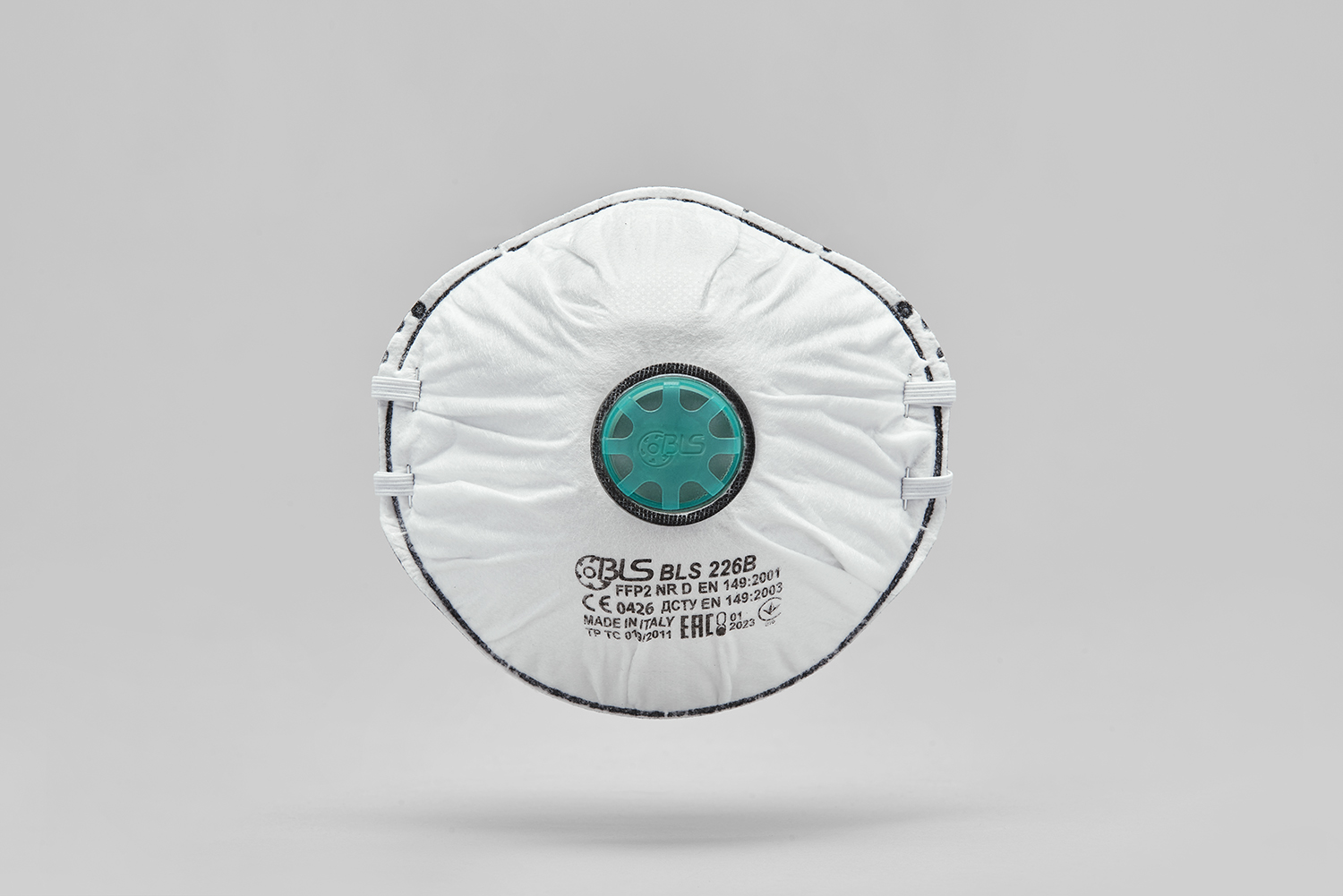
For filling operations the use of a half mask with type A filtersis recommended. Only for short-duration activities involving very limited exposure may an activated carbon filtering facepiece be considered.
SOLVENTS
Solvents are also widely used. As a minimum level of protection, a half mask with type A filters is always recommended.
PAINTING
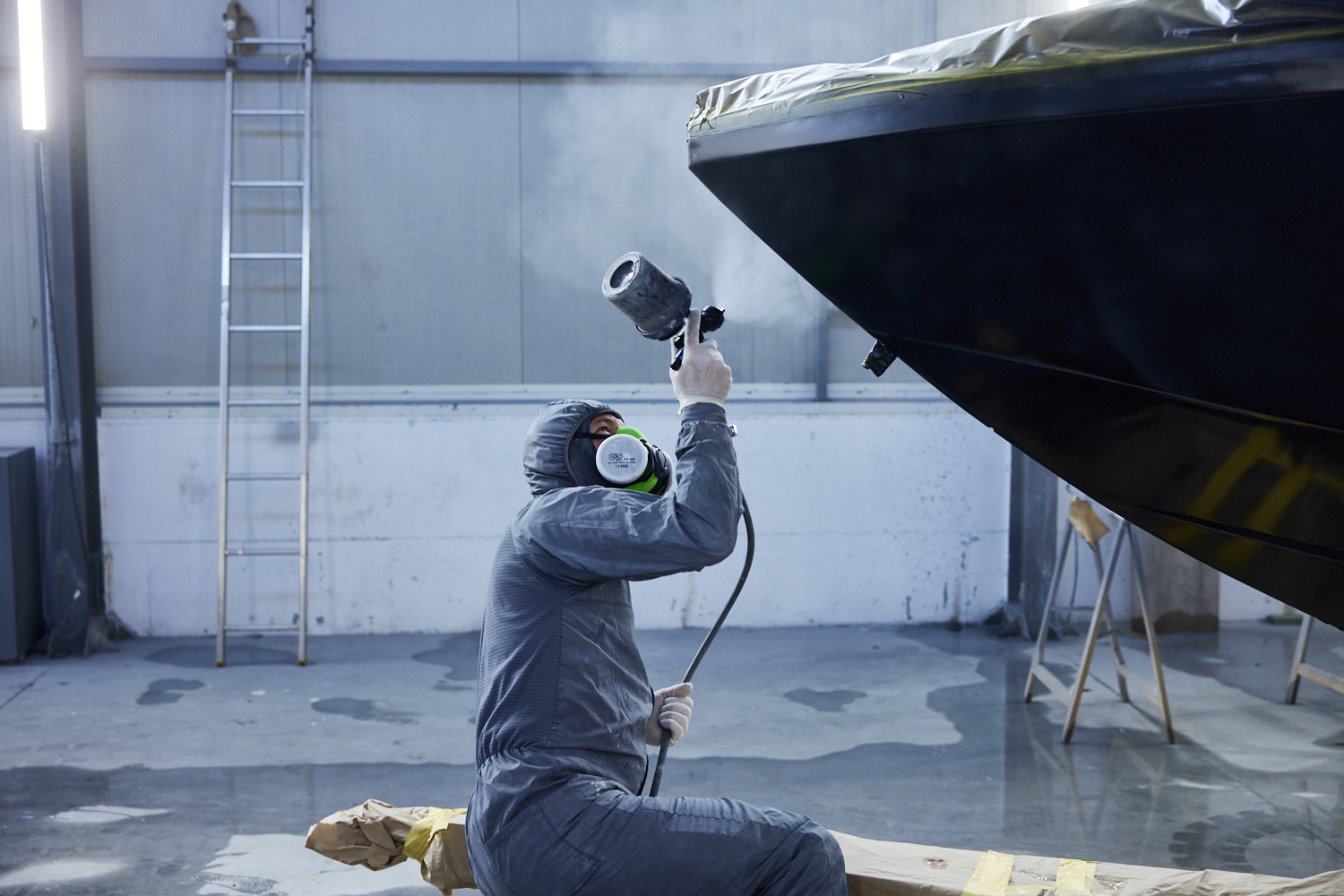
Painting requires particular attention:
From the point of view of the risks to which workers are exposed in their work, there are Many similarities between the shipbuilding industry and the car bodywork industry and the needs in terms of protection of the respiratory tract are often overlapping.
SANDING
If we think, for example, of or mechanical of surfaces, gMetallic stucco is a substance used to smooth out imperfections in a vehicle; sanding is necessary to smooth out the parts treated with this substance. Powdered stucco has a high level of toxicity, and The quantity and the particle size of the dust that is released is such that specific protection is required, even in the presence of suction: a FFP3-type filtering facepiece or, alternatively, a half-mask with P3 filters They are absolutely necessary to properly protect the operator.
SCRAPING AND PRIMER
After the clearing is complete, we move on to Degreasingand to the application of the first. In this case, the choice falls on two types of devices that guarantee exactly the same degree of protection, but in one case they are maintenance-free devices (sometimes mistakenly called “disposable”) or semi-masks with interchangeable filters. In the first case, they are real semi-mask with integrated filters which, once exhausted, cannot be replaced: the correct type of protection is guaranteed by A2 filters paired with a prefilter P2, or A2-P3 combined filters. A similar solution is provided in the case of pairing with semi-masks completed with interchangeable filters, always of type A2P2 or A2P3.
PAINTING
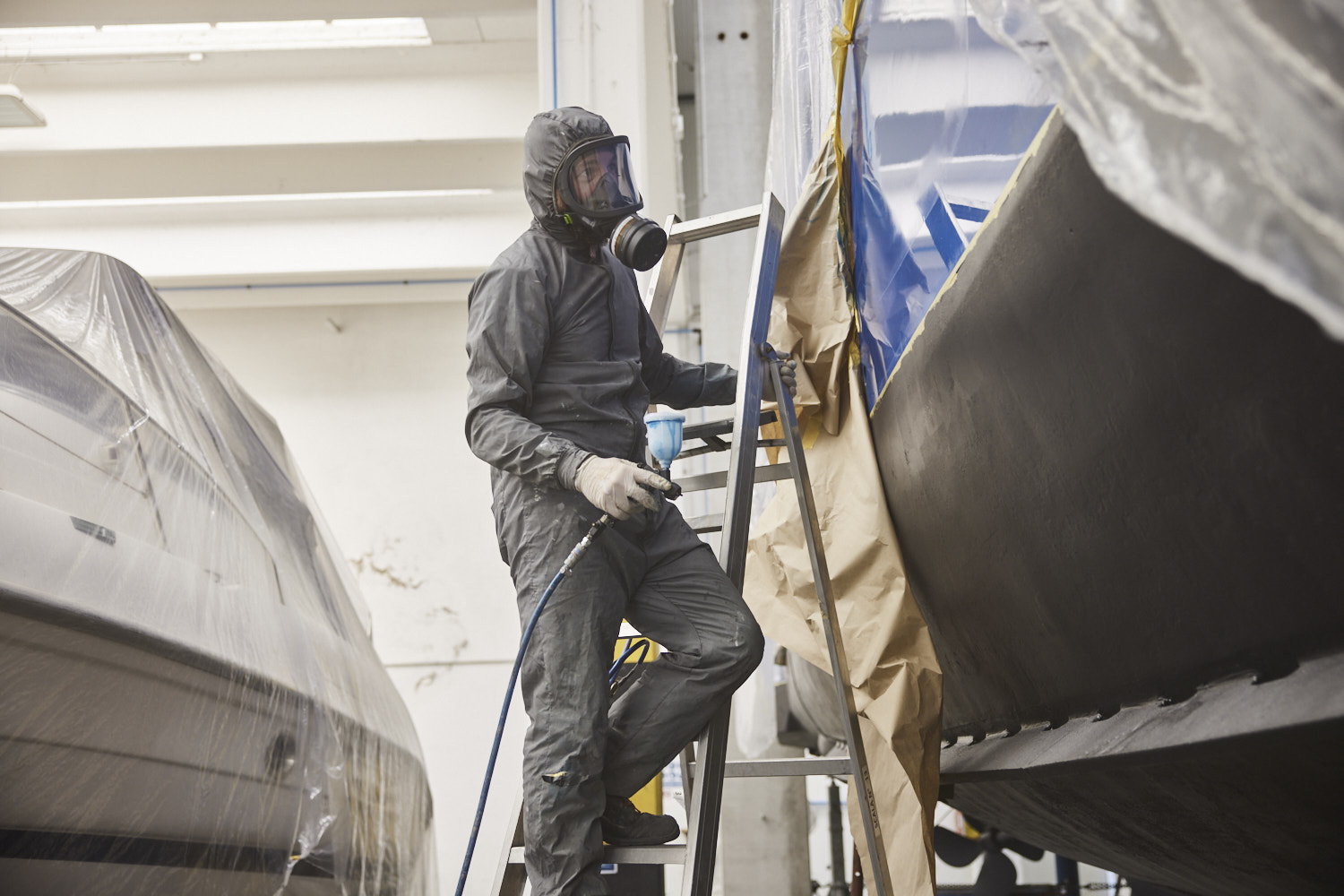
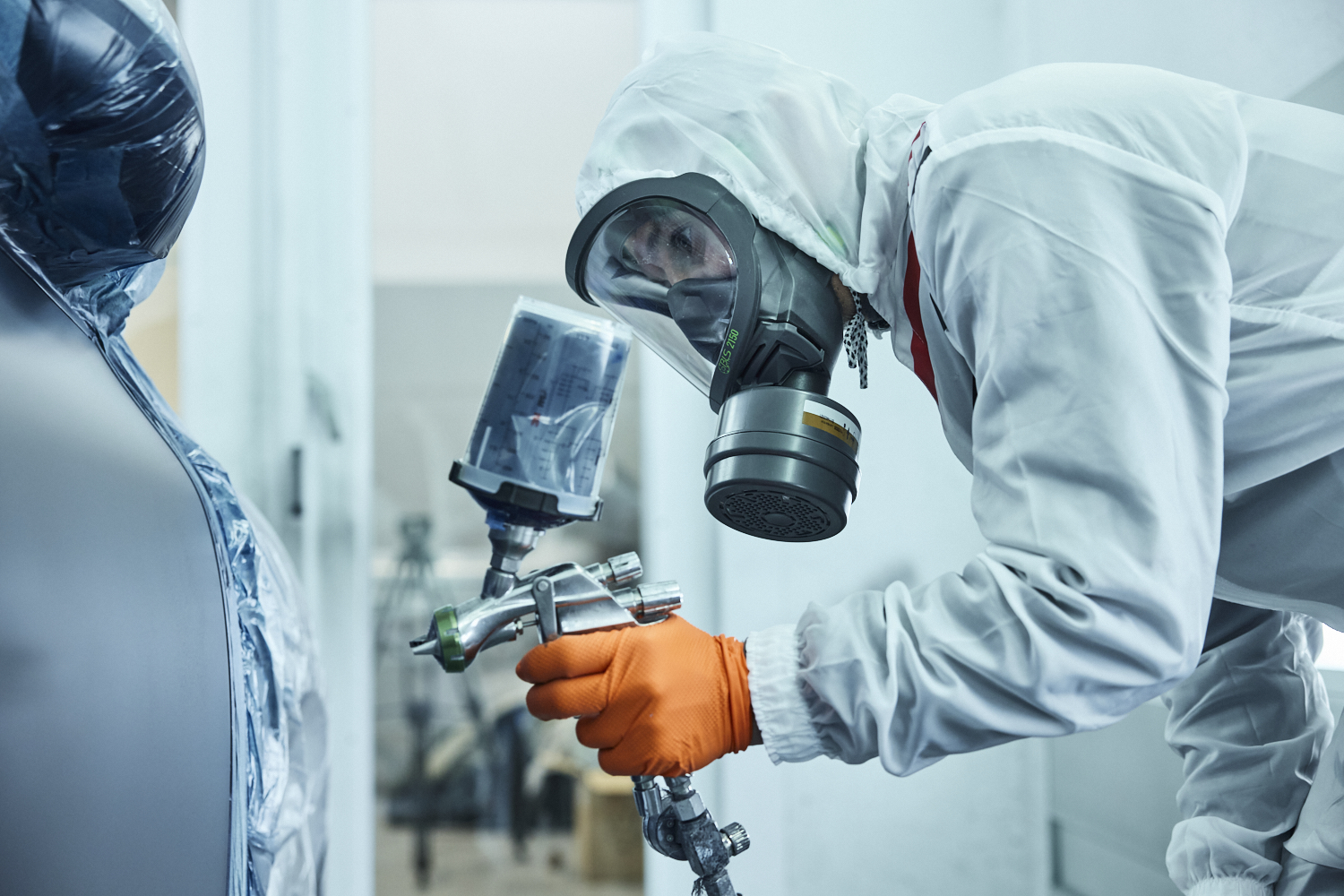
The particular attention: a delicate and critical activity, as its perfect execution determines the durability of the shell, as well as the aesthetic appearance of the vehicle. Exposure to paint and solvents is perhaps the primary risk for the bodybuilder, who, due to custom, sometimes tends to underestimate it. Thanks to Directive 2004/42/CE With the emission of VOCs (Volatile Organic Compounds), many potentially harmful substances have been completely eliminated, or drastically reduced, and replaced with paint products with lower toxicity; however, this does not completely eliminate the need for adequate protection. Once again, it is the type of protection that matters. A2/P2 or A2P3 It is necessary to ensure that the paint booths are equipped with filtration and suction systems that function perfectly.
It is essential to also provide for a adequate eye protection: The sealed glasses prevent the eye from being exposed to drops of paint and at the same time protect against solvent emissions. A single device that simultaneously provides protection for the airways, eyes, and respiratory system may be more practical, i.e., a Full face mask on which to mount the same filters that we would use with the semi-mask.
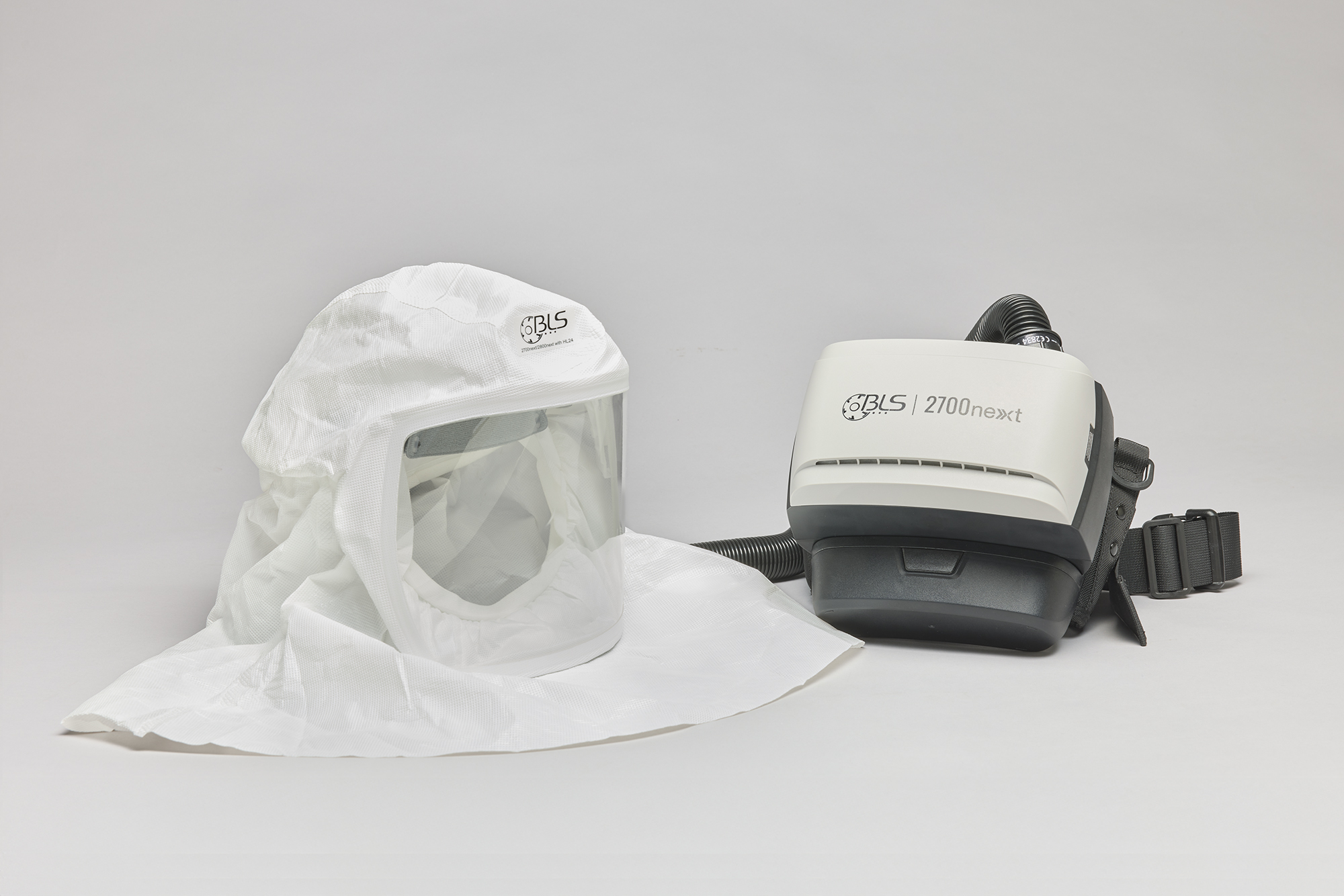
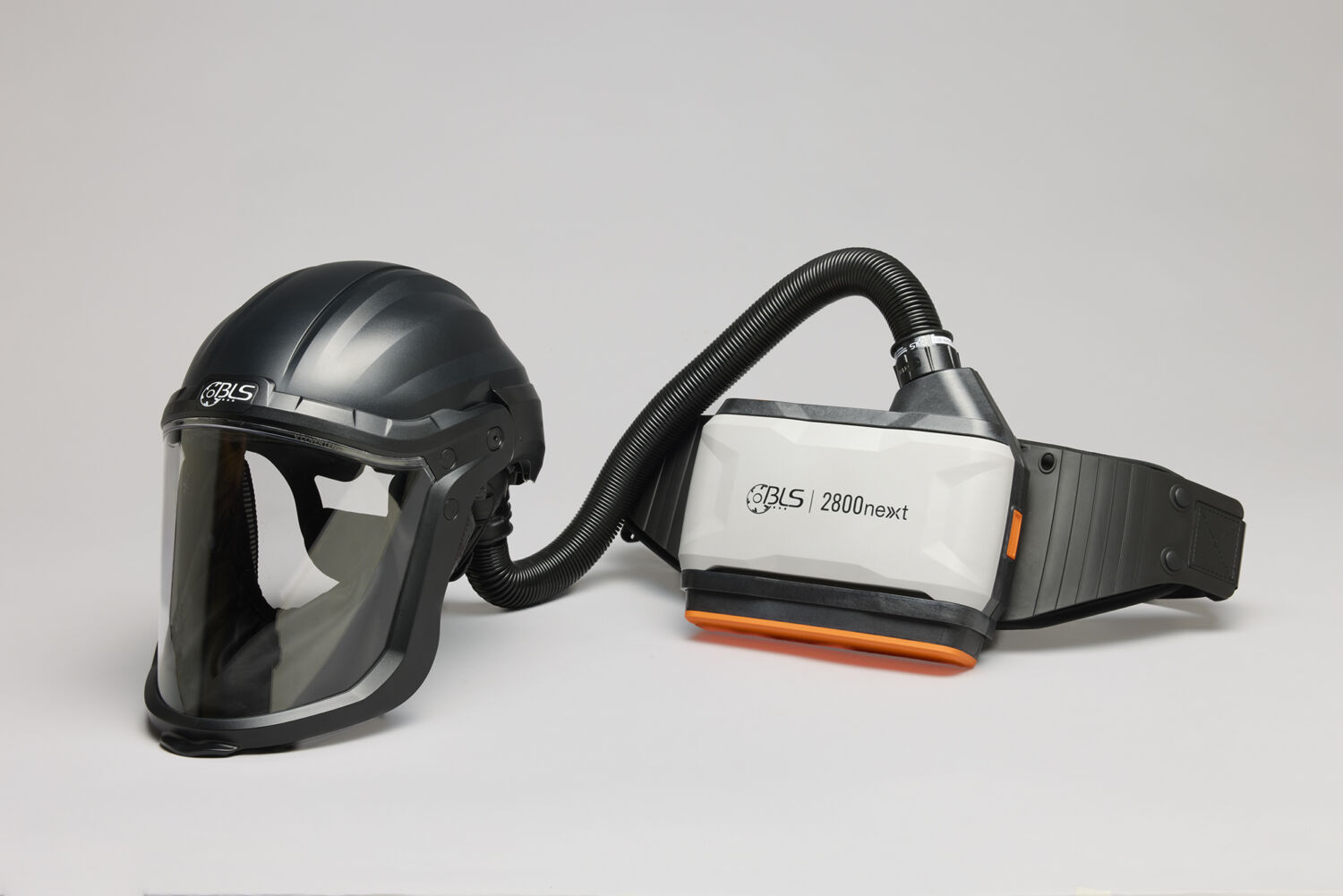
Below is a summary table with the BLS products recommended for each processing:
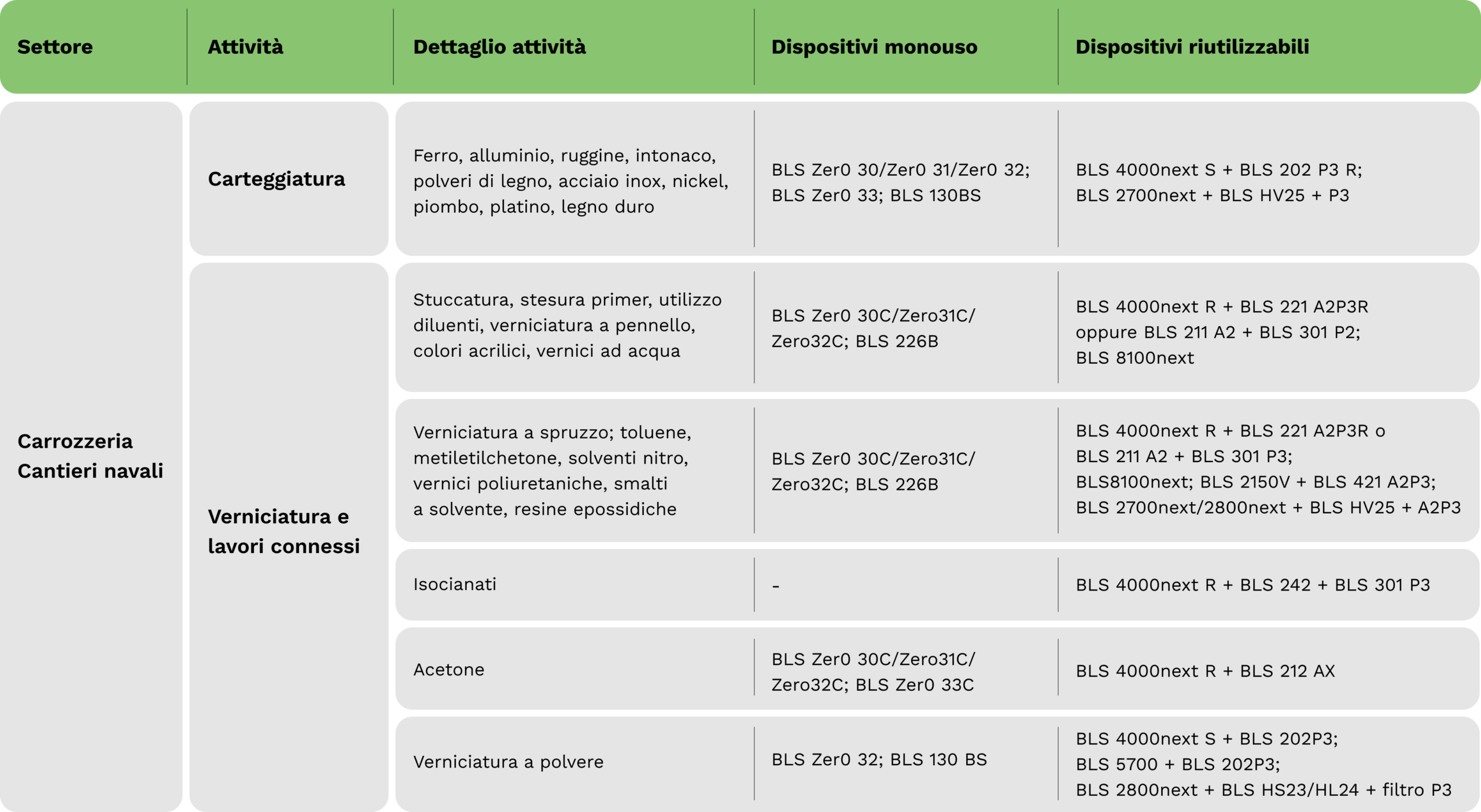
table of products