Workshops

Metalworking operations are recognized and classified among the activities presenting the highest health risks, due to the substances used, the alloys produced, and the various manufacturing processes involved. Specifically, risk factors include the melting of compounds, the use of quartz dust, talc and different types of metals, iron oxide fumes, and gases and vapors such as carbon monoxide (CO), hydrogen cyanide (HCN), hydrogen sulfide (H₂S), and benzene (C₆H₆).
Among the most common and well-known respiratory diseases affecting the lungs are:
acute or chronic bronchitis;
Siderosis, caused by the accumulation of iron dust;
silicosis, caused by exposure to crystalline silica dust;
anthracosis, caused by inhalation of coal dust;
berylliosis, caused by exposure to beryllium;
hard metal fibrosis;
pneumoconiosis caused by aluminum dust and fumes or aluminum oxide-based abrasives.
In general, diseases with shorter latency periods are more prevalent among younger workers, such as allergic conditions including asthma and rhinitis in the 16–29 age group. Silicosis, on the other hand, is more commonly observed in the 50–59 age group, while asbestosis generally occurs in people over 60.
In most cases, these diseases develop several years after prolonged exposure, as is the case with silicosis.
Crystalline silica Silicosis is classified as a carcinogenic substance and is found in foundries, as well as in glass and ceramic manufacturing, cement production, and agriculture. Silicosis may develop progressively, with general symptoms such as shortness of breath, fatigue, coughing, and chest pain. Its presence can only be confirmed through diagnostic imaging techniques.
The disease may appear as late as 10 or 20 years after prolonged exposure, making it particularly difficult to detect and potentially dangerous. Different forms of silicosis exist, largely depending on the amount of dust inhaled each day: the greater the exposure, the more severe the damage and the faster the disease progresses.
Silicosis is an incurable disease. Available treatments can only manage its symptoms and slow its progression. Prevention is therefore the only effective way to address the problem.
Particular attention must be paid to Welding operations because fumes are generated very close to the operator. Furthermore, welding fumes are classified as Group 1 carcinogens.
Some welding processes generate greater quantities of toxic fumes than others. For example, in shielded metal arc welding, approximately 95% of the fumes originate from the filler material and consist of metal oxides (Ni, Mn, Cr, Ti, Si, Mg, etc.). MAG welding can also release highly toxic substances, including nickel, manganese, and chromium.
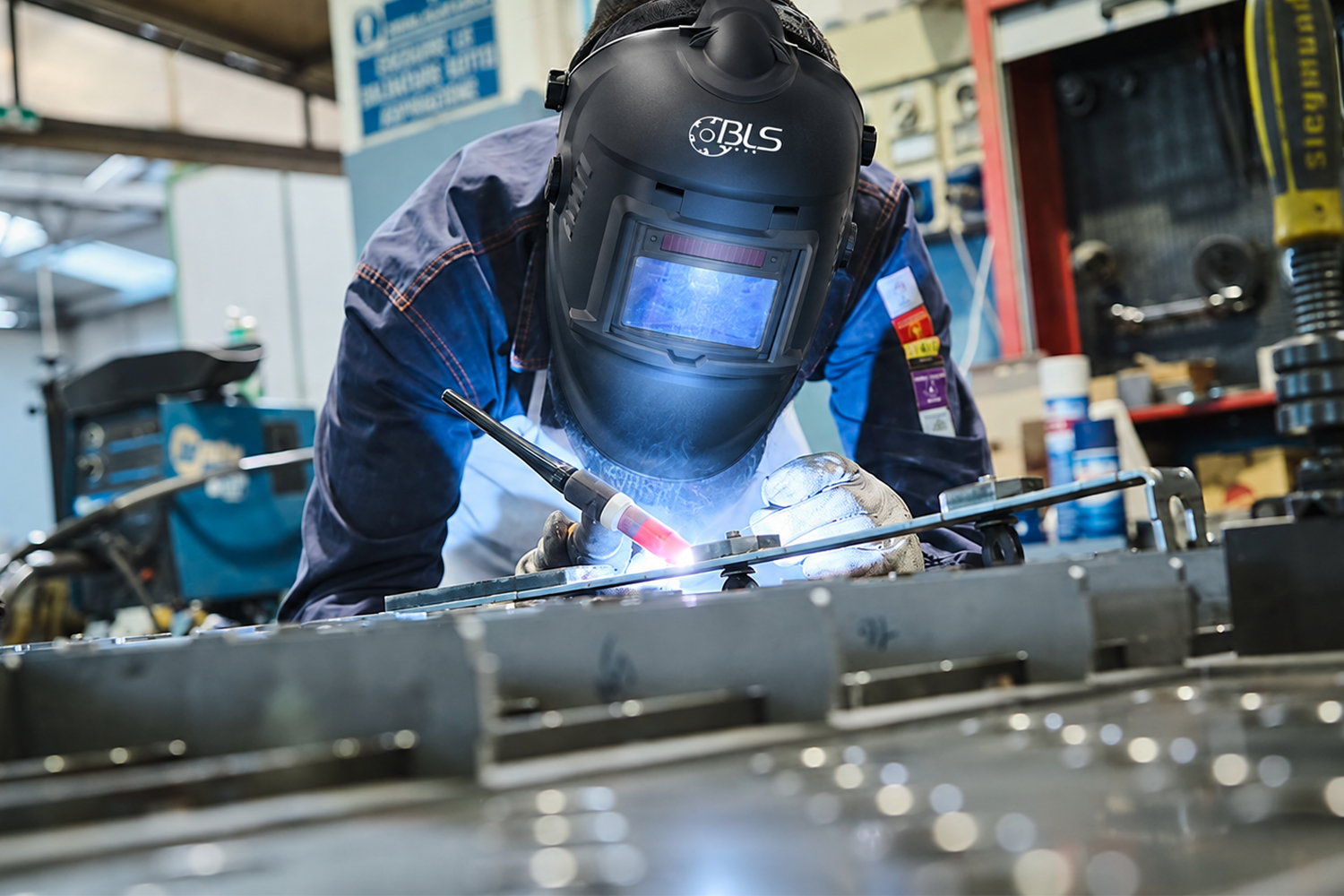
The main health effects experienced by welders can be divided into acute and chronic effects:
Acute: significant exposure to metal fumes can cause metal fume fever, characterized by symptoms very similar to those of influenza.
Chronic: impaired lung function, including chronic bronchitis, fibrosis, asthma, chronic obstructive pulmonary disease (COPD), pneumoconiosis, and other forms of pulmonary fibrosis (such as chronic beryllium and cobalt-related lung diseases), as well as lung cancer.
One particularly significant concern for welders’ health is the generation of nanoparticles, particles with diameters as small as 0.01 μm, which can reach the pulmonary alveoli.
Nanoparticles Generation is considerably more significant during welding operations than during metal cutting. An exception is laser cutting, which predominantly releases ultrafine particles.
Nanoparticles are particles with diameters ranging approximately from 1 to 100 nm (0.001–0.1 µm). Several studies have shown that certain nanoparticles can penetrate cells and tissues, travel throughout the body and reach the brain, potentially causing biochemical damage.
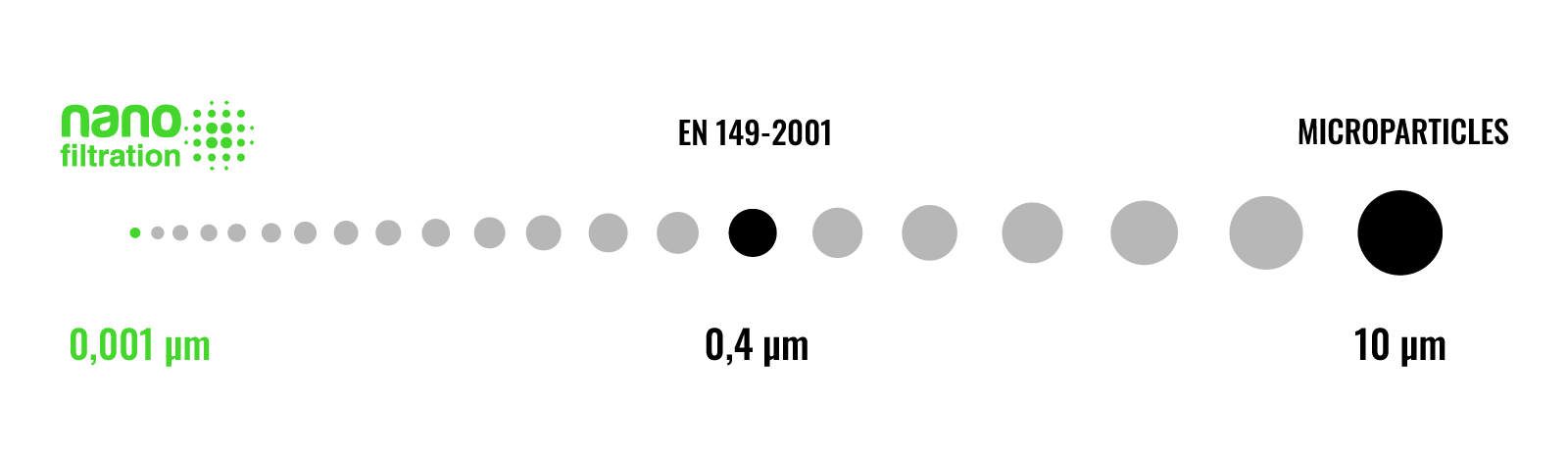
Due to their extremely small size, nanoparticles exhibit behavior that can be considered intermediate between that of gases and other airborne particulate matter. Some substances that pose little risk in larger particle sizes have demonstrated mutagenic effects in laboratory studies when present as nanoparticles.
The EPI4Nano project, promoted by BLS and conducted between 2021 and 2022 by the ITENE Research Institute in Valencia, enabled the development and validation of specific respiratory protective devices designed to provide effective protection against nanoparticles, including carbon nanofibers and metal oxides.
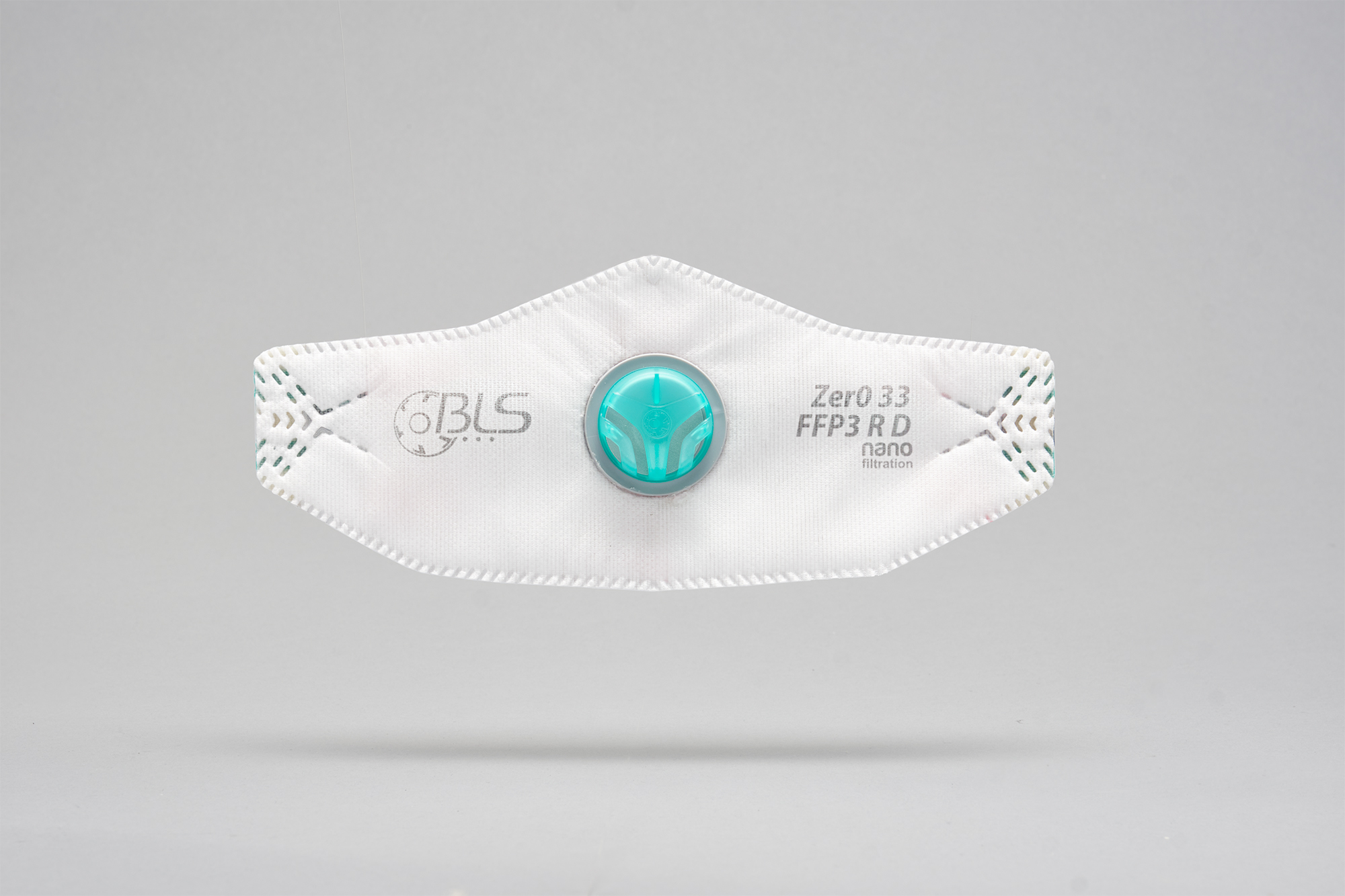
The ITENE study demonstrated that the filtering materials used in BLS Zer0 respirators achieve filtration efficiencies exceeding 99% against these nanoparticles, depending on the model and substance tested.
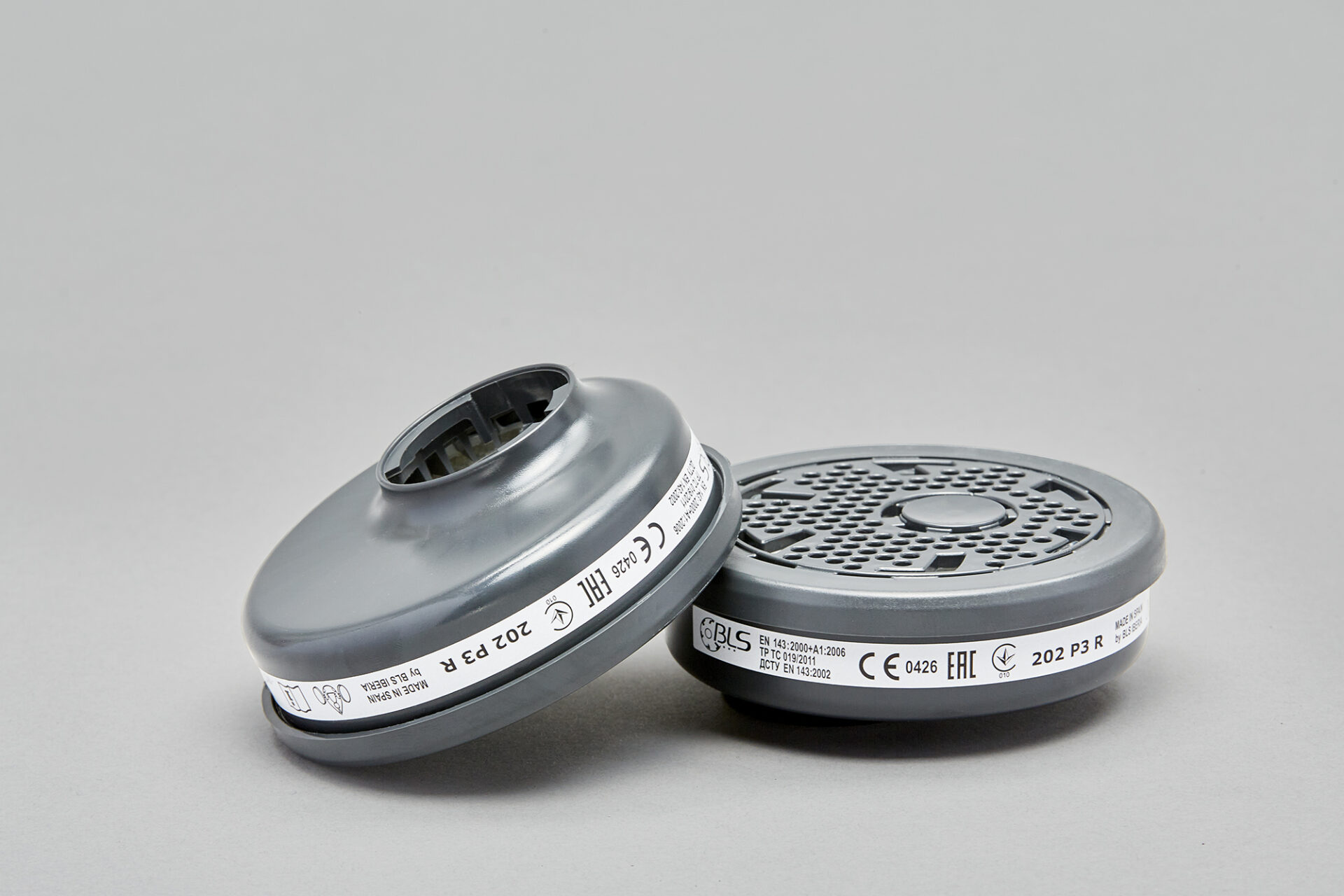
The same technology was subsequently applied to our P3 filters, available for half masks, semi-reusable respirators, and devices with a standardized EN 148-1 connection.
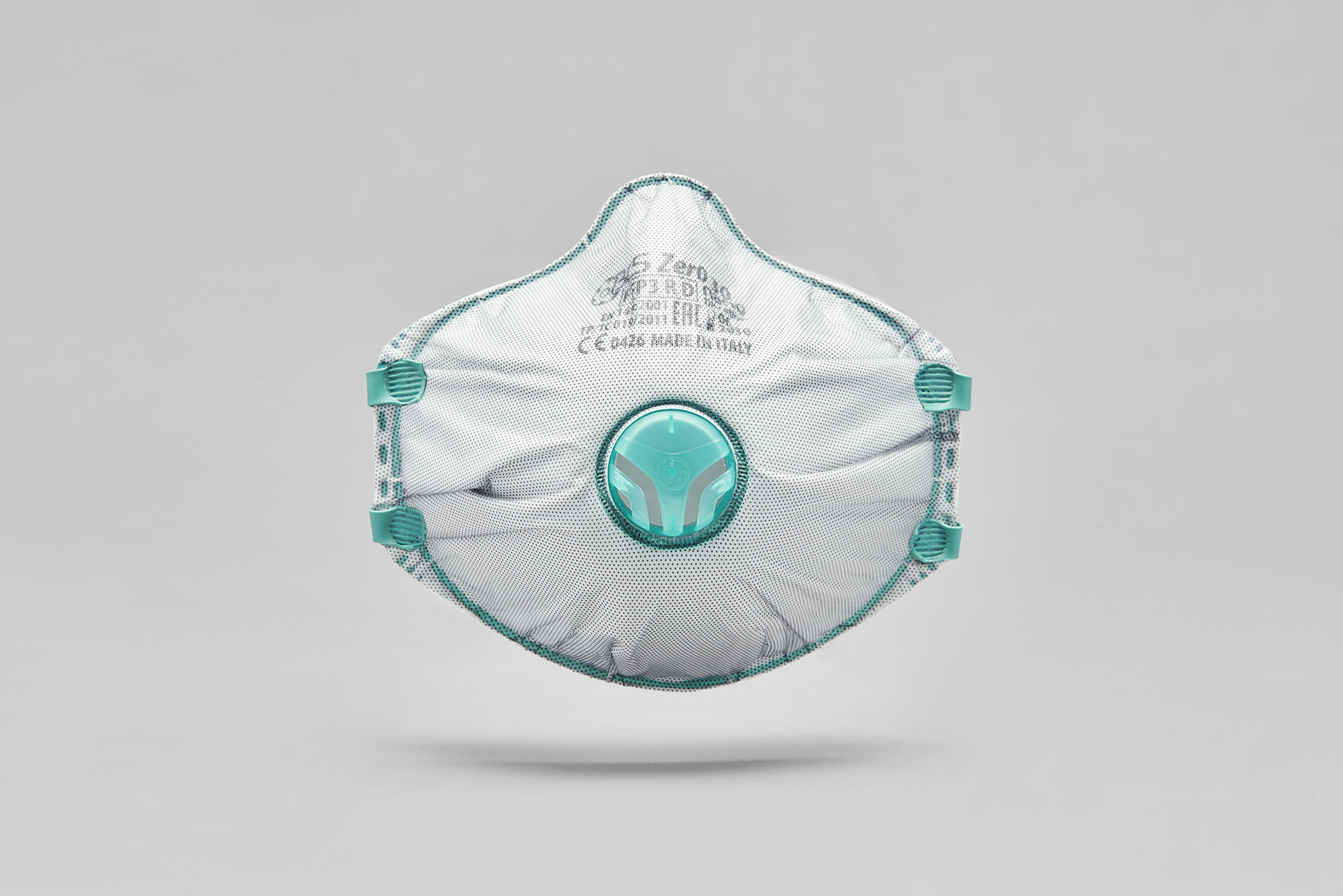
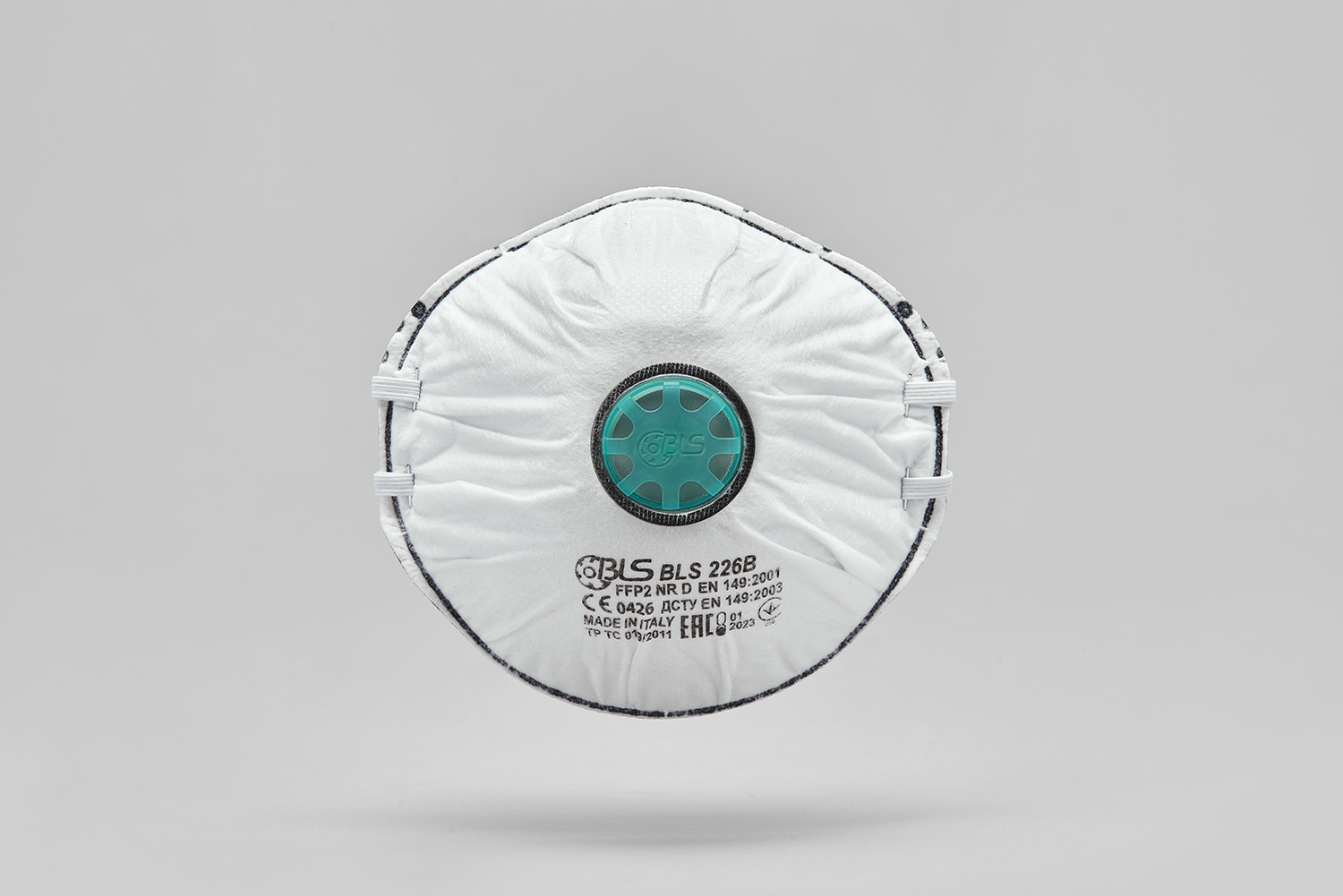
Finally, specifically for welding applications, we also offer our BLS Zer0 filtering facepiece respirator, featuring the aforementioned nanofiltration performance, in a version with activated carbon and flame-retardant properties.
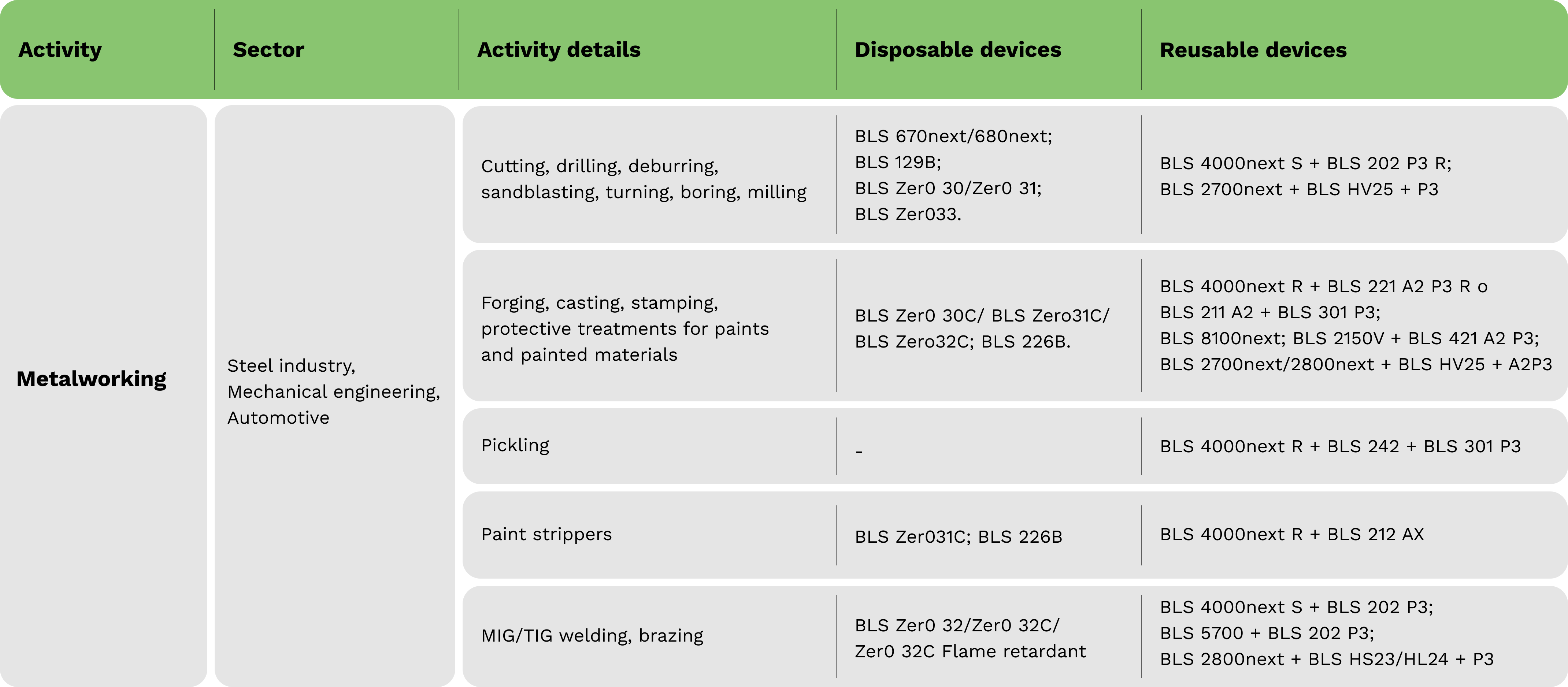
Below is a summary table of the BLS products recommended for each painting operation.